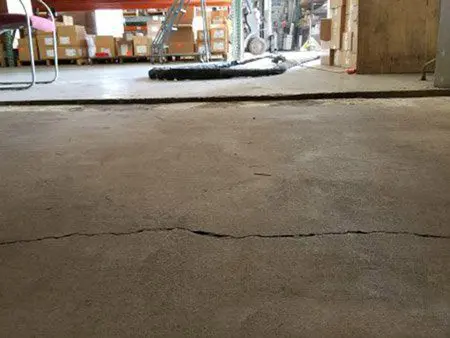
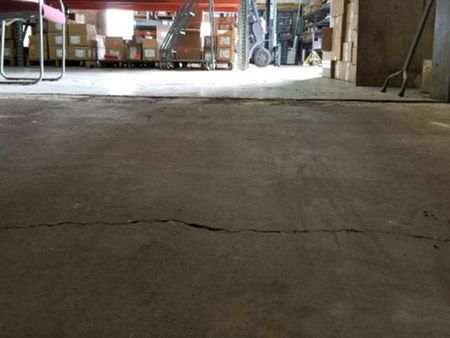
Palatine Garage Floor Lifting

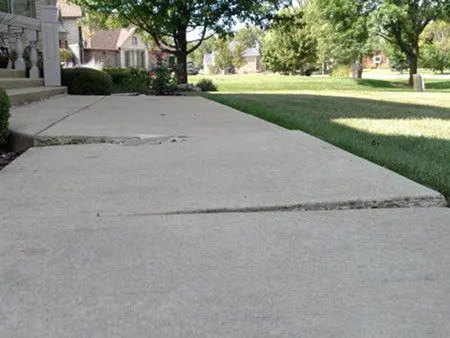
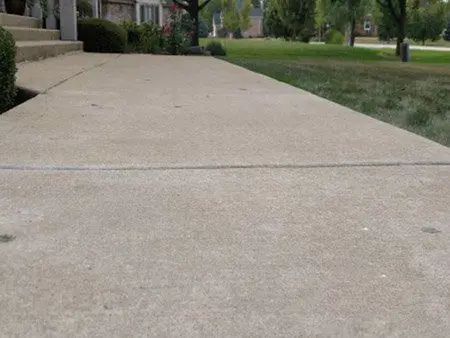
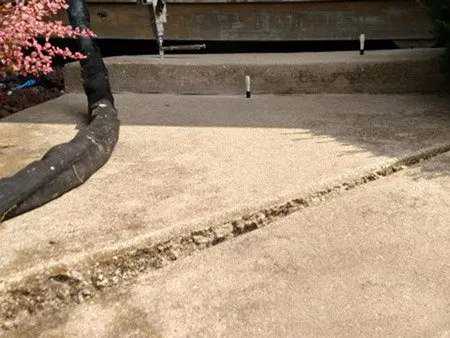
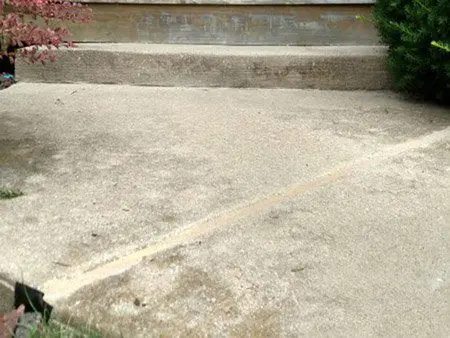
Most of Palatine’s residential subdivisions filled in during the 1970s and 80s as the Union Pacific Northwest line made commuting easier, and a lot of the attached garages from that period share the same aging issue: a slab that’s settled slightly at the door or along one wall after forty-plus years of freeze, thaw, and clay soil movement underneath it.

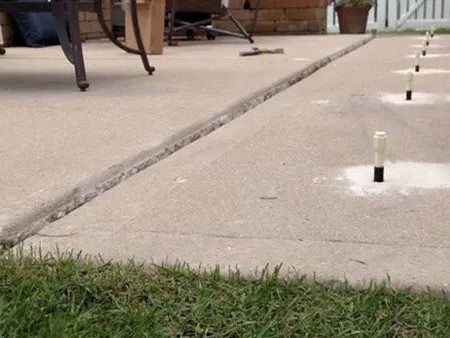
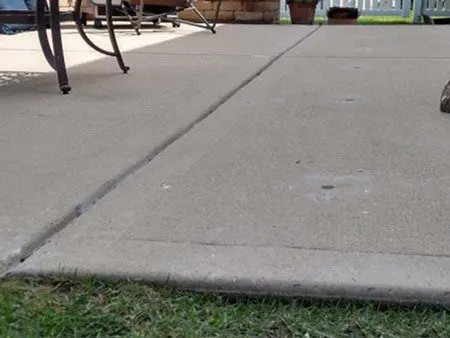
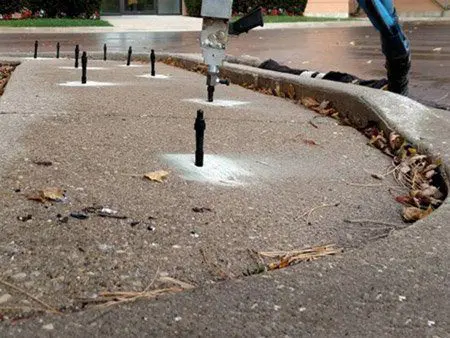
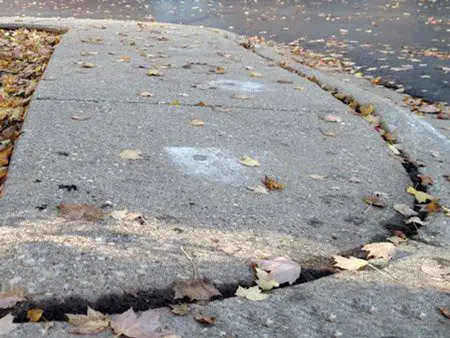
Rather than breaking out that slab and pouring a new one, we lift the concrete you already have back toward level. It’s quicker, it’s a lot less disruptive, and for most homeowners it costs a fraction of full replacement.

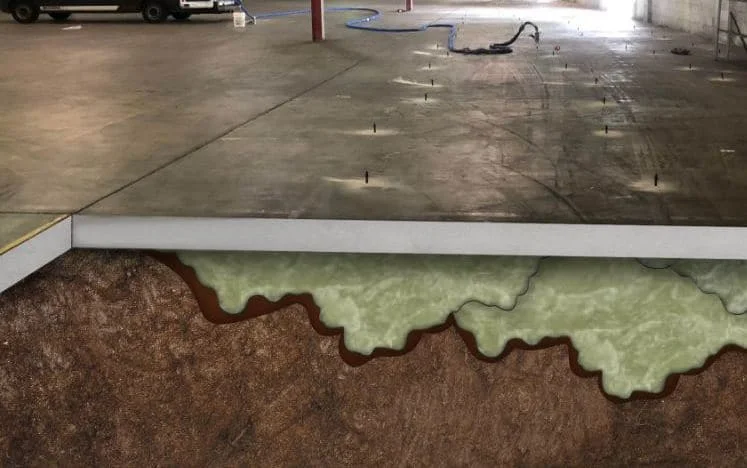
A warehouse floor with a cutaway showing foam injection beneath the concrete slab, illustrating ground stabilization and floor leveling—a technique also used for Garage Floor Lifting in Crystal Lake.

What causes garage floors to sink in Palatine

Clay soil is common throughout this part of Cook County, and it swells when wet and shrinks when it dries out, which gradually works against whatever’s resting on top of it. Add a downspout that’s been draining right next to the slab for decades, or a sump discharge line aimed at the same corner of the garage every time it rains, and it’s easy for soil to wash out from under part of the floor.

Foam injection versus mudjacking

We use foam on most garage floors because it’s light and it sets up quickly, which matters on soil that’s already under stress. Mudjacking, using a pumped cement slurry instead, can be a more economical choice for a larger slab. We’ll look at your garage and recommend whichever method fits the situation.
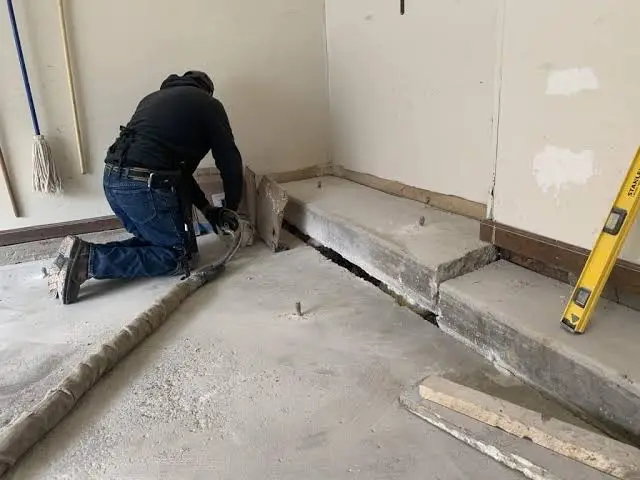
A person in dark clothing kneels on the floor, repairing or cutting a section of cracked concrete near a wall in what appears to be a garage or basement. Tools and construction materials are nearby, suggesting that Garage Floor Lifting in Crystal Lake may be underway to restore stability and ensure a level surface.

How we lift the slab

Signs your garage floor needs attention

• A gap has opened between the slab and the driveway apron
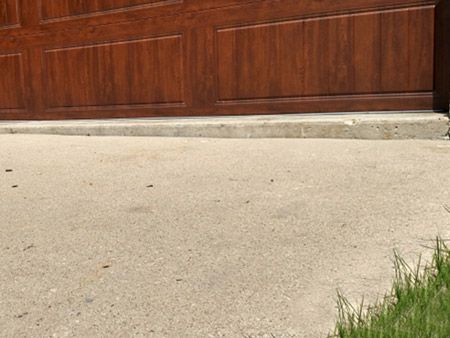
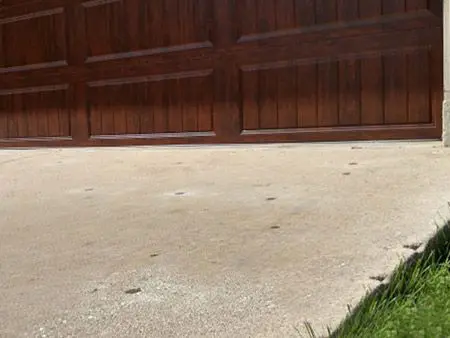
• The garage door won’t close flush against the floor anymore
• A crack that started small has kept widening
• Standing water inside the garage after rain
• One side of the floor feels noticeably lower than the other

Any of these on their own can be worth a look, and together they usually point to settling that’s still active.

Call today for a FREE Estimate!

If your garage floor has a gap at the door, a crack that keeps growing, or a slab that dips toward the back wall, we’ll come take a look. The assessment is free and there’s no obligation attached to it.

Call us at (815) 264-2200 or request a free estimate online. Acme Concrete Raising & Repair · 824 S Main Street, Ste 105, Crystal Lake, IL 60014.

Frequently Asked Questions

Do I need to be home during the work?

Not necessarily, as long as we have access to the garage. Many homeowners open the garage door for us and go about their day.
Usually, yes. Lifting the slab back toward level typically closes or narrows that gap, and we can seal what remains so it isn’t collecting water.
It gains most of its load-bearing strength within about fifteen minutes, which is why we can usually let a car back into the garage the same day.
Not necessarily, as long as we have access to the garage. Many homeowners open the garage door for us and go about their day.
That’s common. We only lift the section that’s settled, so you’re not paying to raise concrete that’s already level.