CONCRETE CAULKING IN RILEY

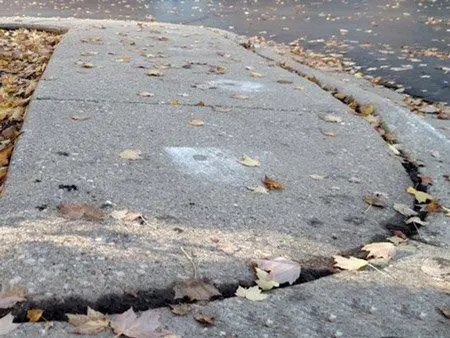
Seal exposed joints on long driveways, walks, patios, and outbuilding slabs before water, soil, and vegetation enter.
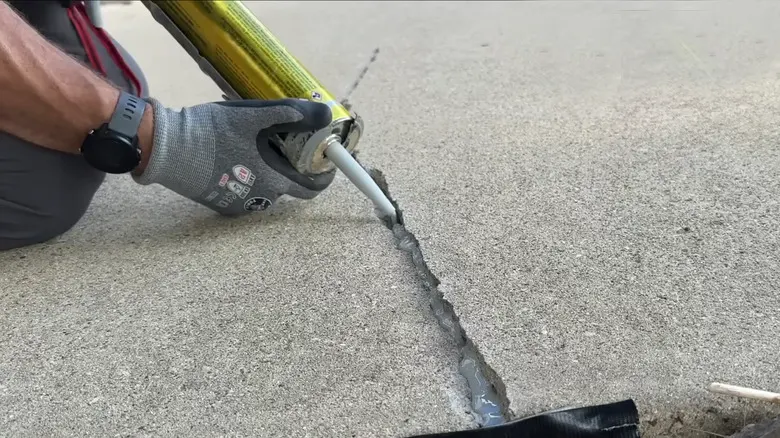
A person wearing gloves is applying sealant from a tube to fill a crack in a concrete surface, demonstrating professional Concrete Caulking in Prairie Grove.

Concrete Joint Sealing for Riley Properties

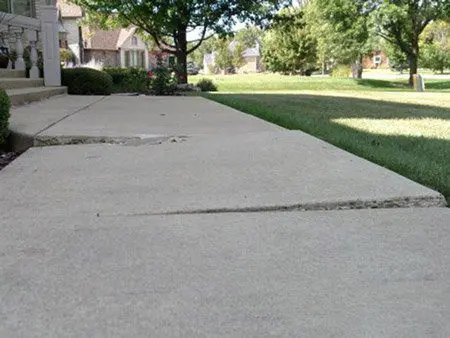
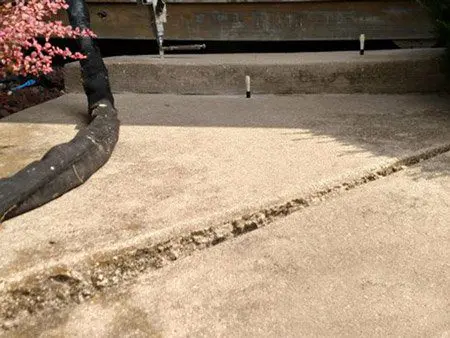
Riley’s rural setting can place concrete beside open grades, gravel shoulders, broad lawns, and longer drainage routes. Once old caulk separates, soil and organic debris can collect in the joint while water moves toward the slab base. Acme removes failed sealant, vegetation, and loose material, checks the concrete alignment, sets the proper seal depth, and applies flexible exterior caulk. Settled slabs or active erosion should be corrected before the final seal is installed.
Polyurethane Concrete Raising is All We Do!

Why Riley Property Owners Choose Acme

Caulking for Rural Drives and Multiple Slabs

Riley properties may have several paved areas connected by longer drives and walks. Our concrete caulking service protects selected joints where water, soil, and gravel most often collect.

Call today for a FREE Estimate!

The Estimate Guard Promise: Best Price. Best Warranty. Guaranteed. With Acme’s Estimate Guard, you never have to worry about overpaying for professional concrete raising. We guarantee a better price and a better warranty than any competitor—so you get the best overall value every time. It’s our commitment to fair pricing, quality workmanship, and long-lasting results.

Frequently Asked Questions

Which Riley joints should be sealed first?

Prioritize open seams that collect soil or gravel, receive roof runoff, sit at garage entrances, or carry frequent traffic.
A continuous seal can close the treated gap after loose material is removed. It cannot control gravel moving across the surrounding pavement.
Often, yes, when the joint edges and slab alignment are suitable. Loads, drainage, and the building connection should be reviewed first.
Appropriate backing may be used to control seal depth and shape. The entire subsurface space is not filled with caulk.
Yes. Sealants have temperature and moisture requirements, so work is scheduled when the joint and weather support proper curing.