CONCRETE CAULKING IN ROLLING MEADOWS

Protect closely connected driveway, walkway, patio, garage, step, and landing joints from moisture, weeds, soil, and debris.
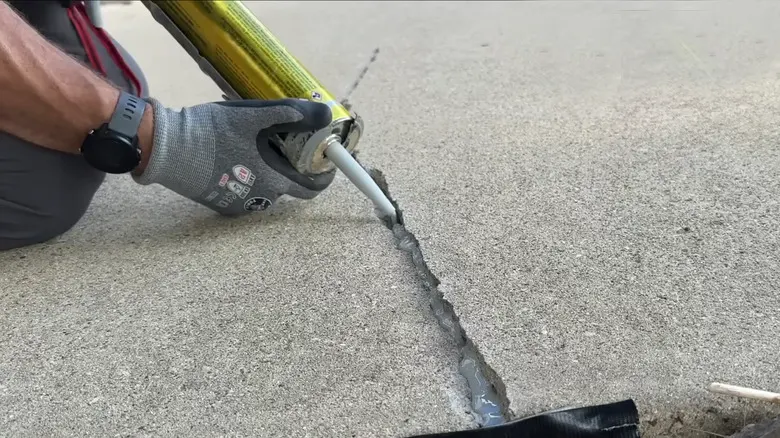
A person wearing gloves is applying sealant from a tube to fill a crack in a concrete surface, demonstrating professional Concrete Caulking in Prairie Grove.

Concrete Joint Sealing for Rolling Meadows Homes

Rolling Meadows properties often place driveways, front walks, garage aprons, patios, and entry slabs close together. One open joint can collect roof runoff, lawn soil, leaves, road grit, and weed growth where several surfaces meet. We prepare suitable joints and place flexible sealant to limit direct entry along slab edges while maintaining a neat appearance across compact residential transitions.
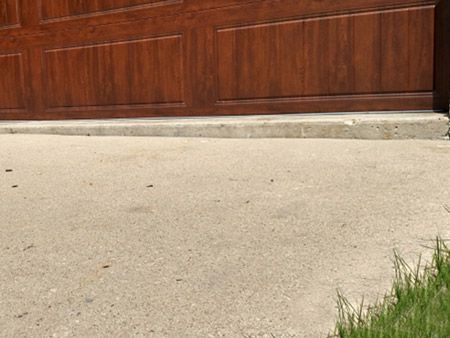
Polyurethane Concrete Raising is All We Do!

Why Rolling Meadows Property Owners Choose Acme

Sealing High-Use Joints on Compact Lots

Short distances between the street, garage, walk, and home can concentrate runoff and debris at a few important transitions. Our concrete caulking service prioritizes those joints so water and material have fewer direct paths beside the slab base.

Call today for a FREE Estimate!

The Estimate Guard Promise: Best Price. Best Warranty. Guaranteed. With Acme’s Estimate Guard, you never have to worry about overpaying for professional concrete raising. We guarantee a better price and a better warranty than any competitor—so you get the best overall value every time. It’s our commitment to fair pricing, quality workmanship, and long-lasting results.

Frequently Asked Questions

Which Rolling Meadows joints should be sealed first?

Garage transitions, open expansion joints, patio borders, and joints that repeatedly collect water or debris are common priorities.
It may be suitable if it can be cleaned and prepared to the correct profile. The joint width and edge condition are evaluated first.
Sealing blocks the treated opening and reduces space for weed growth, although nearby soil and untreated cracks can still support vegetation.
Yes. Leveling first is often the preferred sequence when adjacent panels have a meaningful height difference.
No. It reduces entry through treated joints, but gutters, grading, downspouts, and surface pitch still control overall water movement.