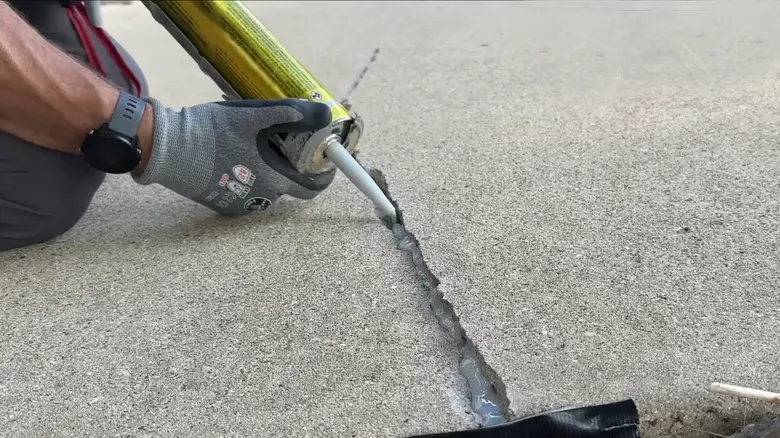
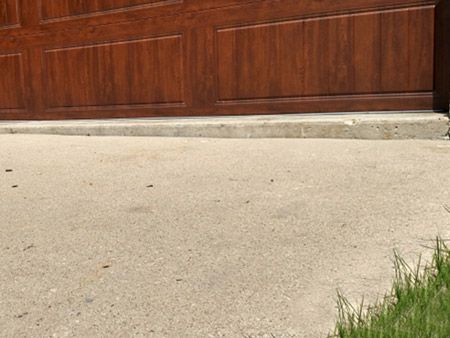
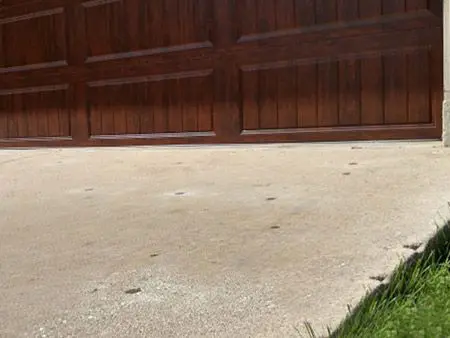
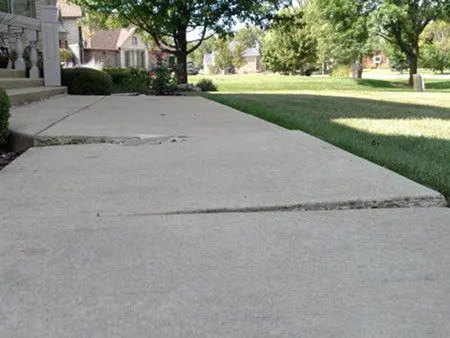
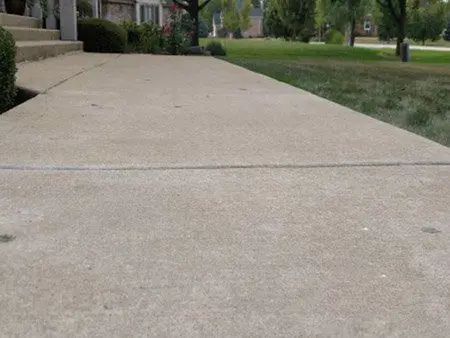
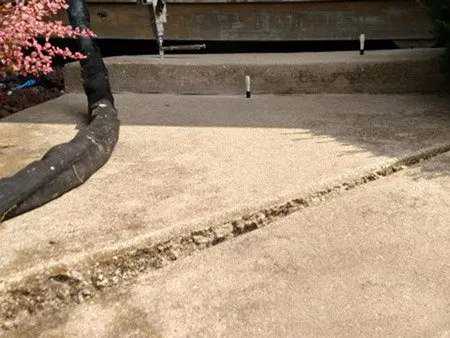
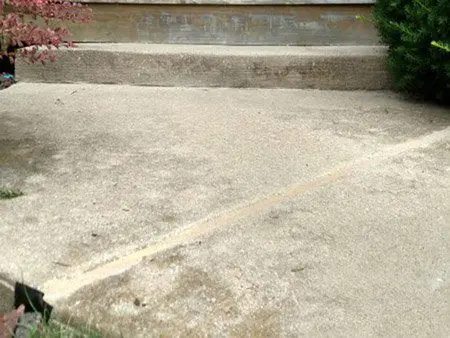
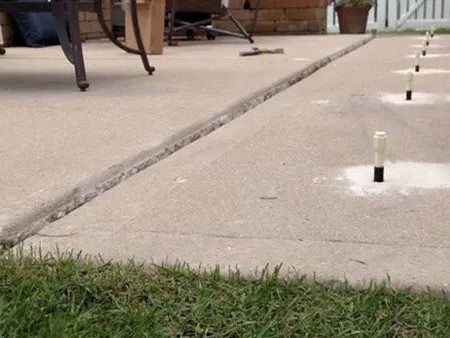
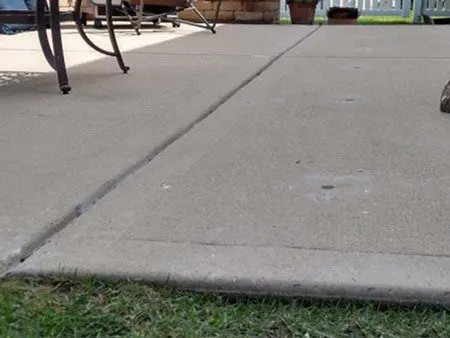
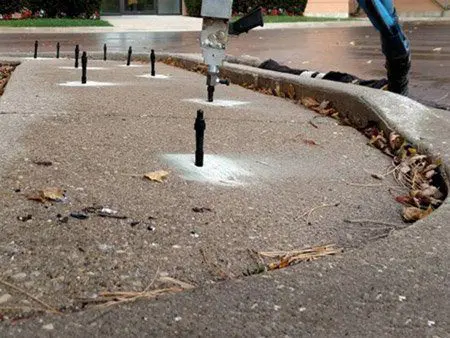
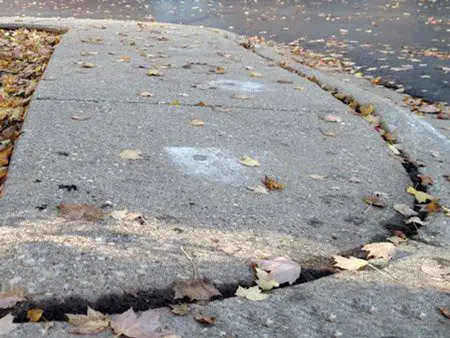
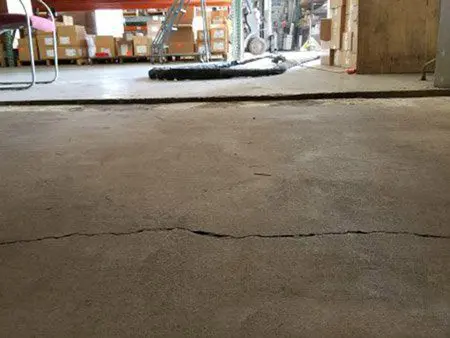
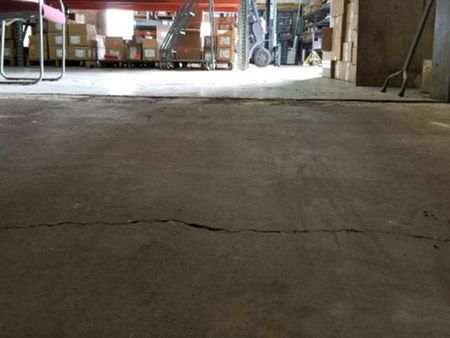
Open concrete joints can collect grit, weeds, and water, especially where neighborhood grades direct runoff across a driveway or walk. Around Round Lake Heights, moisture moving from roofs, lawns, and lake-oriented drainage can reach the supporting base through failed seams. Acme removes loose caulk and debris, prepares stable joint edges, controls the application depth, and installs flexible exterior sealant. Caulking is a maintenance repair for properly aligned joints, so slabs with settlement should be raised before the final seal is placed.
Round Lake Heights properties often place driveways, walks, patios, and lawns close together, creating short runoff paths between surfaces. Our concrete caulking service focuses on the seams most exposed to water and debris.
The Estimate Guard Promise: Best Price. Best Warranty. Guaranteed. With Acme’s Estimate Guard, you never have to worry about overpaying for professional concrete raising. We guarantee a better price and a better warranty than any competitor—so you get the best overall value every time. It’s our commitment to fair pricing, quality workmanship, and long-lasting results.
Frequently Asked Questions
When should Round Lake Heights joints be recaulked?
Replace caulk when it has split, pulled away, hardened, or disappeared. Weeds, packed dirt, and water entering the gap are also warning signs.
Can caulking stop a driveway panel from sinking?
No. It can reduce entry through the treated joint, but it cannot lift concrete or restore soil support beneath a settled panel.
Should every crack be filled with joint sealant?
No. Designed joints, surface cracks, and displaced fractures behave differently. Width, depth, alignment, and movement should be evaluated first.
Does caulking waterproof the whole slab?
No. It protects the treated seam. Water can still move across concrete, around edges, or through untreated cracks and drainage routes.
How long should traffic stay off new caulk?
The answer depends on the material, weather, joint size, and traffic type. Follow the crew’s specific cure instructions before using the area.