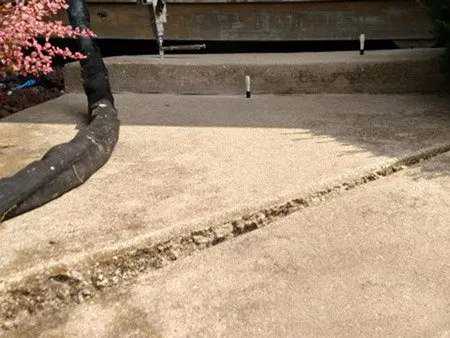
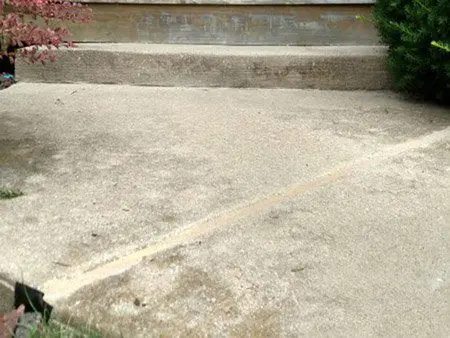
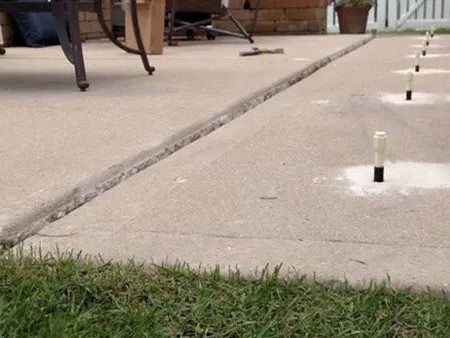
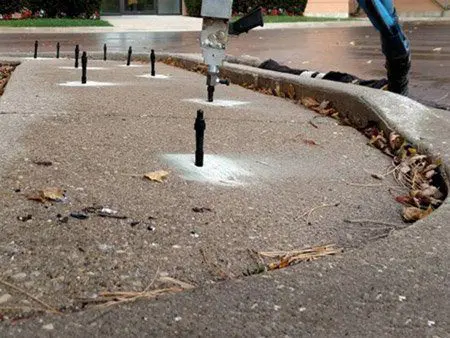
A seawall works as a connected system. The wall face, cap, joints, tiebacks, drainage, and soil behind it all influence performance. When one part weakens, water can carry soil through openings, create voids, and increase pressure on nearby sections. Acme begins by reviewing visible movement, erosion paths, material condition, access, and the transition between the wall and the yard. That assessment helps identify repairs that address the observed failure instead of covering only the surface.
Depending on conditions, repair may involve stabilizing soil, filling voids, sealing openings, restoring damaged areas, or reinforcing parts of the structure. Our seawall repair work is planned around the existing wall, shoreline exposure, and safe access so property owners understand the purpose and sequence of the recommended work.
Round Lake Park properties can place seawalls close to yards, patios, paths, and neighboring shorelines. That compact setting makes it important to evaluate both the damaged area and how water and soil move around it. The goal is a focused repair that supports the wall without unnecessary disruption to the usable space behind it.
The Estimate Guard Promise: Best Price. Best Warranty. Guaranteed. With Acme’s Estimate Guard, you never have to worry about overpaying for professional concrete raising. We guarantee a better price and a better warranty than any competitor—so you get the best overall value every time. It’s our commitment to fair pricing, quality workmanship, and long-lasting results.
Frequently Asked Questions
What signs suggest a Round Lake Park seawall needs repair?
Look for leaning, widening joints, cracked caps, exposed soil, sinkholes behind the wall, or sediment appearing in the water near an opening.
Can a seawall be repaired without replacing the entire structure?
Often, yes. A condition review can identify whether localized stabilization, joint repair, void filling, or reinforcement is appropriate. Severely deteriorated walls may require broader work.
Why does soil disappear from behind a seawall?
Water can move fine soil through open joints, cracks, failed drainage points, or gaps below the wall. Finding the path is important before restoring support.
Should shoreline drainage be reviewed during repair?
Yes. Water trapped behind a wall can add pressure, while uncontrolled runoff can accelerate erosion. Drainage conditions should be considered with the structural repair.
How is access planned on a compact waterfront property?
The crew reviews yard width, slopes, landscaping, patios, neighboring areas, and shoreline access before selecting equipment and a work sequence.