Professional Concrete Raising for Round Lake Properties
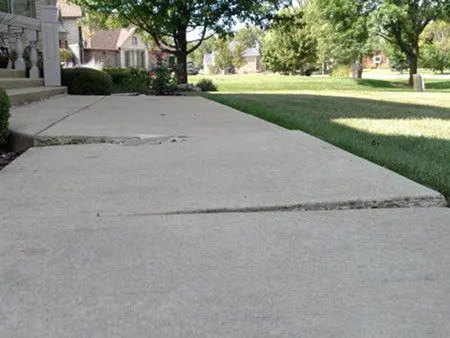
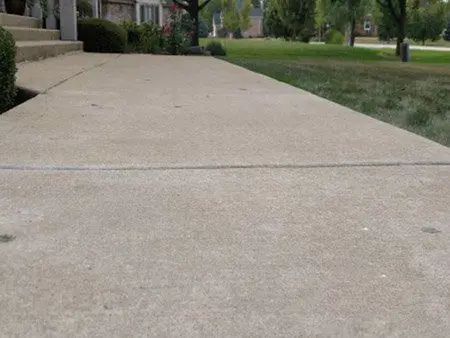
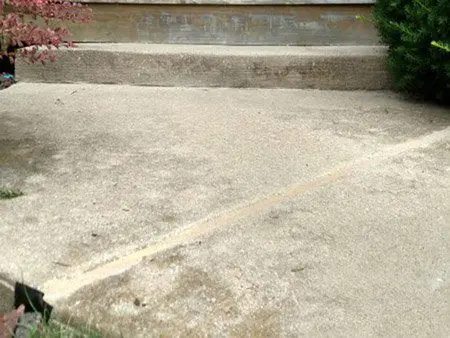
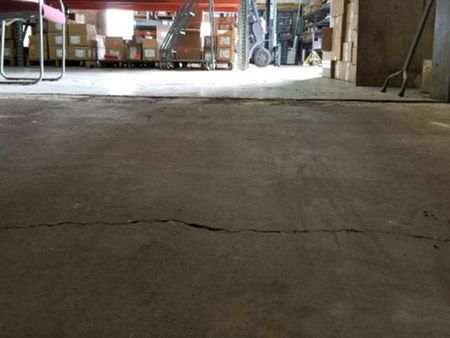
Round Lake properties can place concrete near landscaped grades, neighborhood drainage, and moisture routes connected to the surrounding lake-area setting. When supporting soil consolidates or erodes at an edge, slabs can sink and create uneven transitions. Acme evaluates concrete condition, cracks, joints, elevations, runoff, and adjoining surfaces before planning the lift.
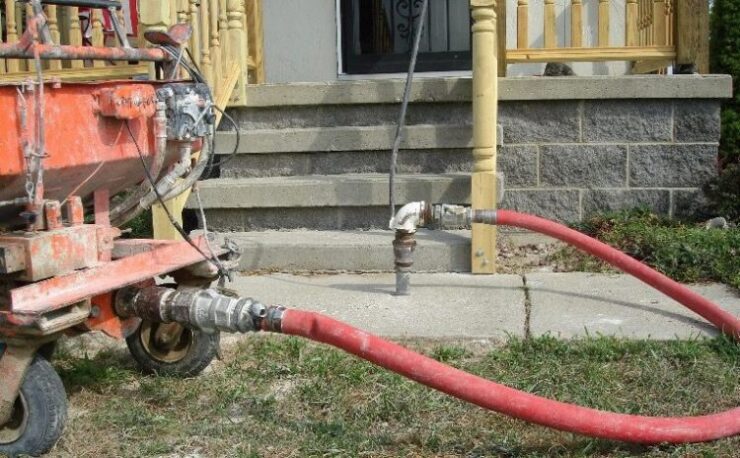
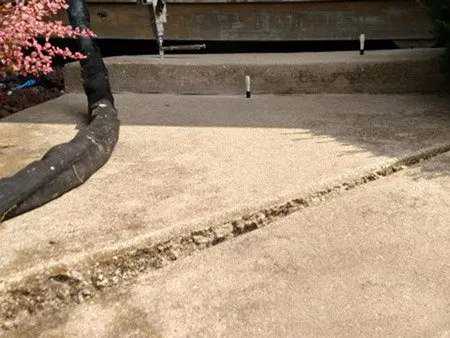
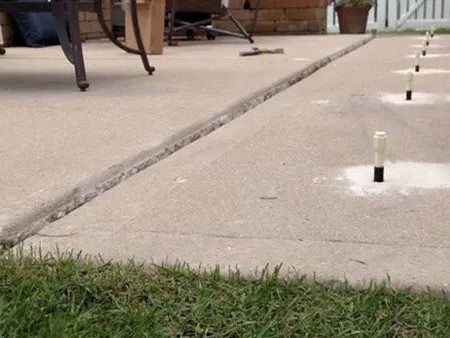
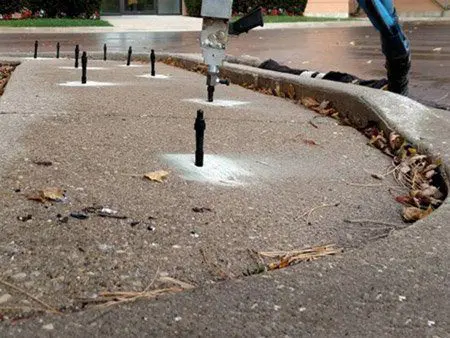
Polyurethane is placed through small drilled ports beneath suitable concrete, filling accessible voids and raising the slab in controlled increments. The process can preserve serviceable driveways, sidewalks, patios, steps, garage floors, and outdoor slabs without full removal. Our concrete raising service also identifies drainage or severe cracking that requires separate attention.
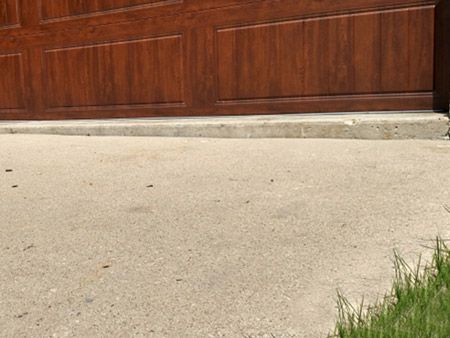
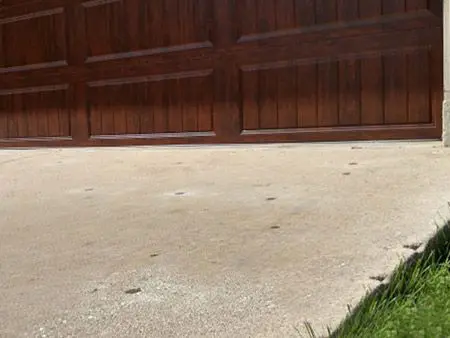
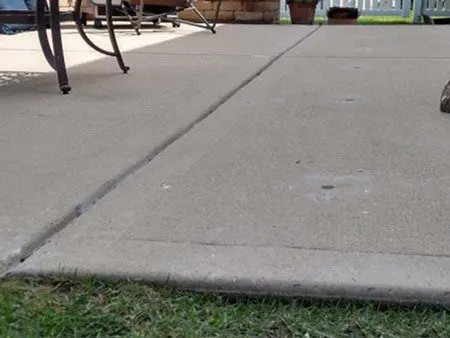
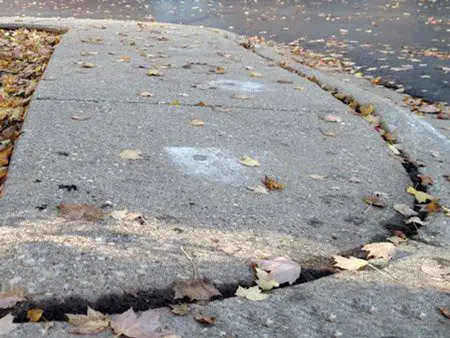
Driveways and walks may transition between low yards, garage entries, sidewalks, and landscaped drainage. Controlled lifting targets lost support beneath suitable slabs while keeping the work area compact.
The Estimate Guard Promise: Best Price. Best Warranty. Guaranteed. With Acme’s Estimate Guard, you never have to worry about overpaying for professional concrete raising. We guarantee a better price and a better warranty than any competitor—so you get the best overall value every time. It’s our commitment to fair pricing, quality workmanship, and long-lasting results.
Frequently Asked Questions
What concrete can be raised in Round Lake?
Many driveways, walks, patios, garage floors, stoops, steps, and outdoor slabs can be evaluated when the concrete remains suitable for lifting.
How does polyurethane concrete raising work?
Small ports are drilled, expanding material is placed beneath the slab, and the lift is monitored as accessible voids fill and support improves.
Can raising remove a trip hazard completely?
It can often improve height differences, but achievable alignment depends on cracks, adjoining structures, slab condition, and the cause of settlement.
Will existing cracks disappear?
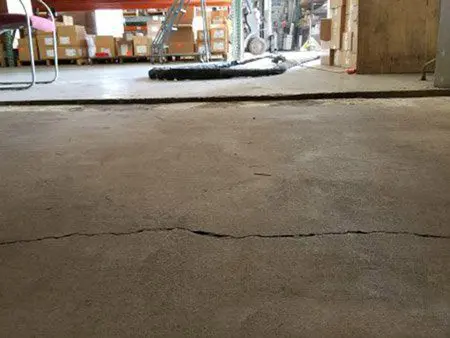
No. The sides may align more closely after lifting, but the crack remains and may need separate treatment.
Should joints be caulked after raising?
Often, yes. Lifting first establishes the final joint position, after which suitable seams can be prepared and sealed.