CONCRETE LEVELING IN ROUND LAKE

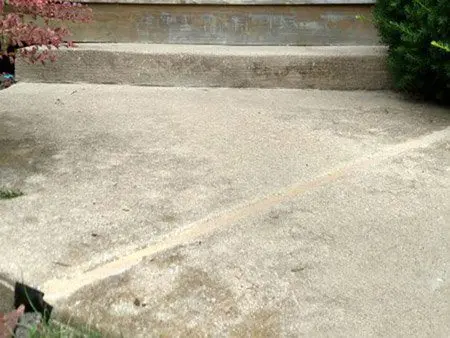
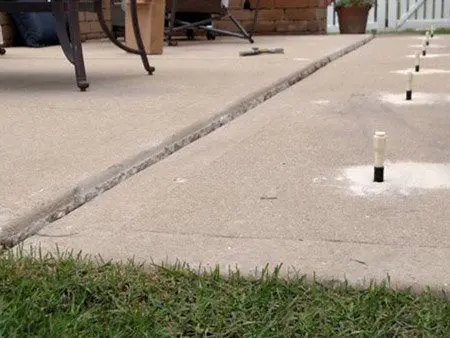
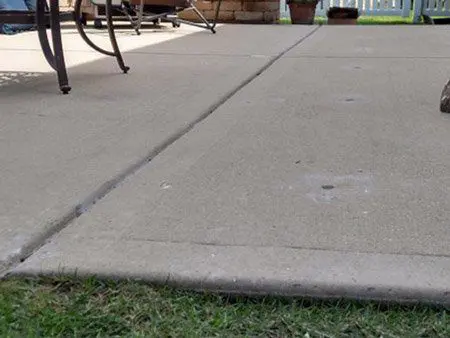
Correct settled driveways, sidewalks, patios, garage aprons, steps, and landings along frequently used residential routes.
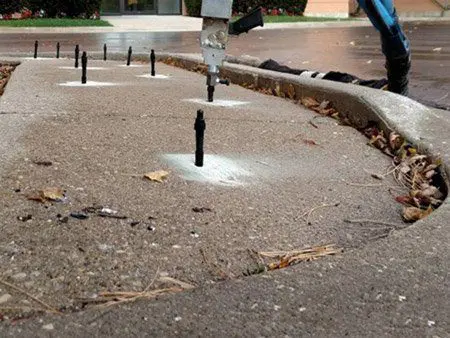
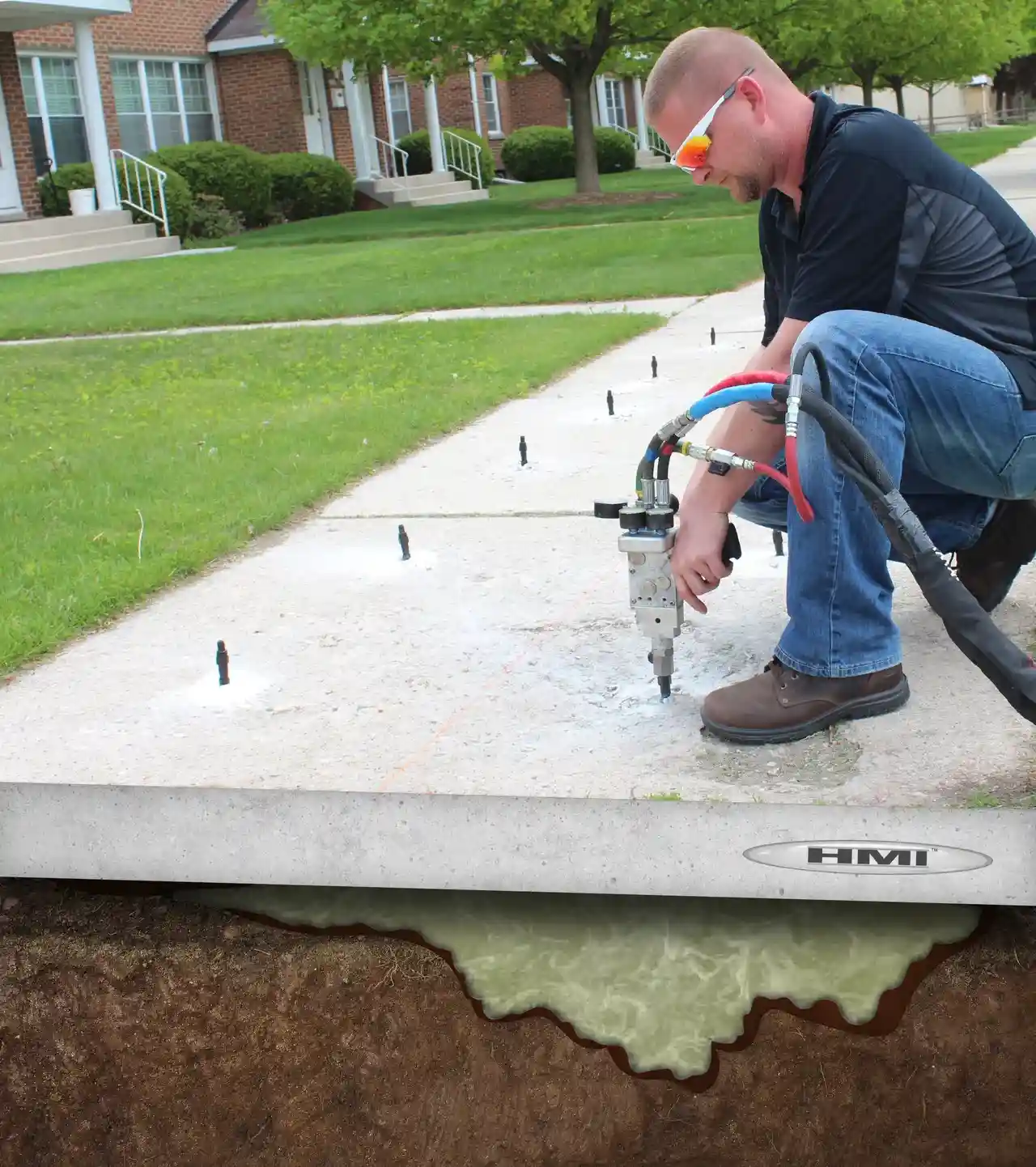
A man uses equipment to inject material beneath a concrete sidewalk for leveling, with an illustration showing the foam filling the gap below the slab—a typical process for Concrete Leveling in Bartlett.

Concrete Leveling for Round Lake Homes

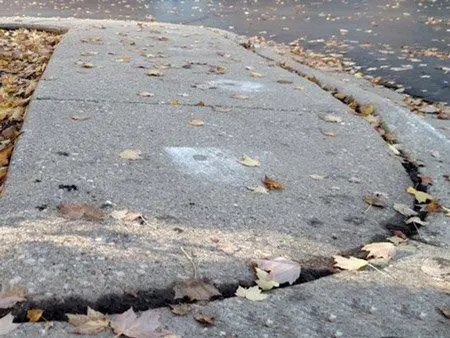
Round Lake properties often have closely connected driveway, public-walk, garage, and entry transitions that receive daily traffic. Seasonal moisture and runoff can expose weak support at an edge or allow a panel to settle below the surrounding concrete. We inspect the complete route, identify fixed elevations, and use polyurethane injection to raise suitable slabs with controlled movement.
Polyurethane Concrete Raising is All We Do!

Why Round Lake Property Owners Choose Acme

Improving Everyday Driveway, Walk, and Entry Routes

A small height difference can matter when it lies between the sidewalk and driveway, at the garage threshold, or along the path to the front door. Our concrete leveling service coordinates suitable panels to improve those everyday transitions without removing serviceable slabs.

Call today for a FREE Estimate!

The Estimate Guard Promise: Best Price. Best Warranty. Guaranteed. With Acme’s Estimate Guard, you never have to worry about overpaying for professional concrete raising. We guarantee a better price and a better warranty than any competitor—so you get the best overall value every time. It’s our commitment to fair pricing, quality workmanship, and long-lasting results.

Frequently Asked Questions

Can the driveway be leveled where it crosses the sidewalk?

Often, yes. We consider sidewalk elevations, driveway drainage, curb-side conditions, and the integrity of each connected panel.
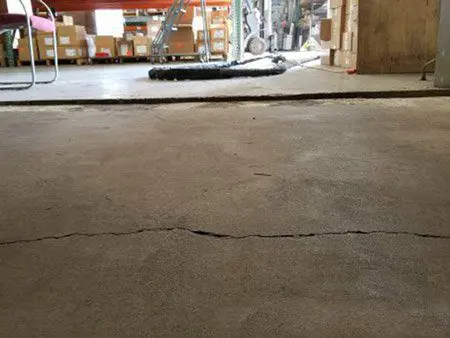
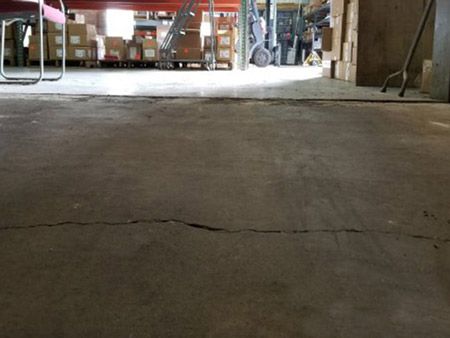
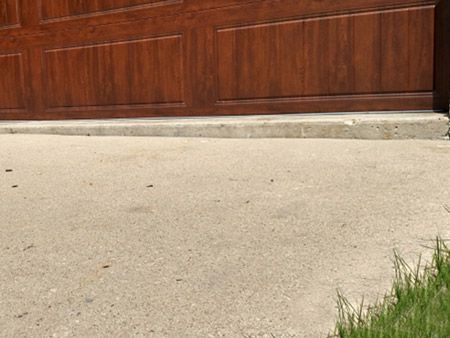
The garage threshold and door clearance are reviewed before lifting so the target elevation respects the fixed structure.
Yes, when the panel is sound and there is enough access and elevation room for a practical correction.
No. The treatment improves support beneath the slab, but future moisture, drainage, erosion, and soil changes can still affect concrete.
Sealing suitable joints may help limit water and debris entry. Timing and joint condition should be reviewed after elevations are corrected.