Schaumburg Garage Floor Lifting

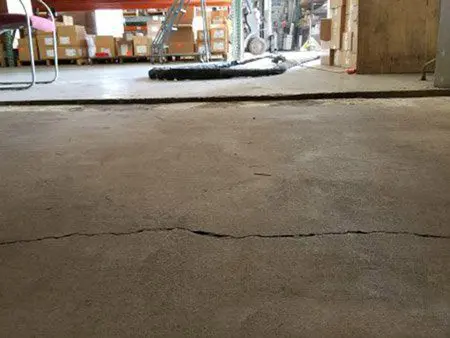
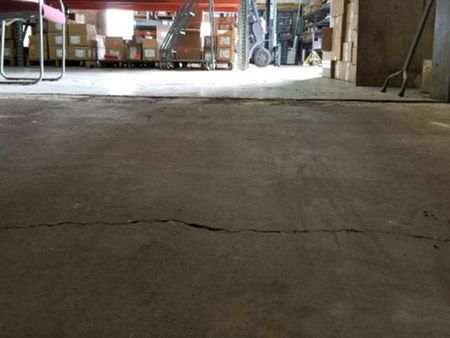
Schaumburg grew fast. Most of the village was still farmland into the 1960s, and the split-levels, raised ranches, and colonials that filled in after that were built quickly to keep up with demand. Garages from that building boom are now fifty or sixty years old, and a lot of the original slabs were poured over whatever base was easiest to compact at the time, which wasn’t always much. It’s common for one of those slabs to develop a low spot near the door or a step where it meets the driveway.

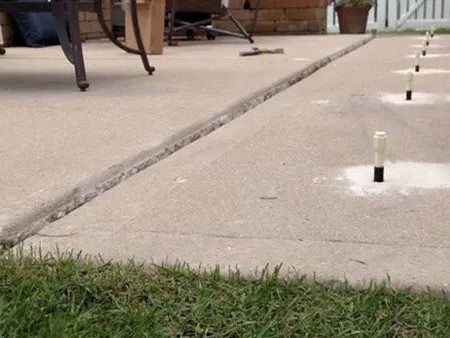
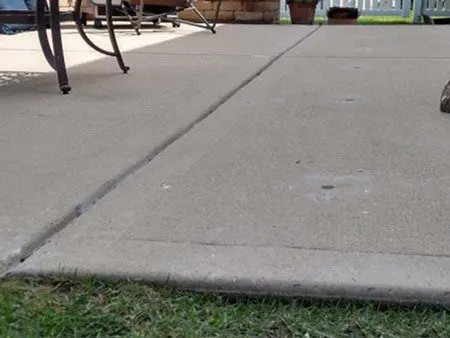
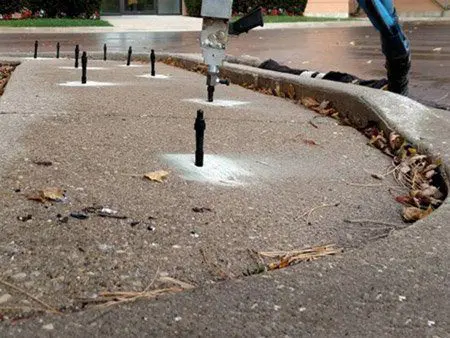
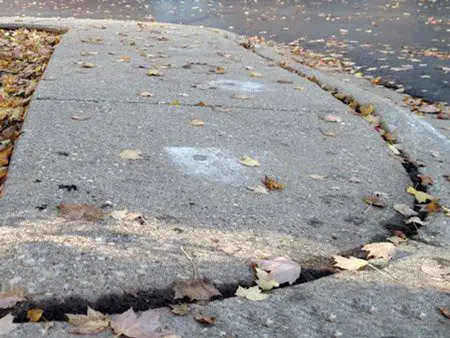
We raise and level the garage floor that’s already there rather than breaking it out. That keeps the job faster, cheaper, and a lot less disruptive than a full replacement.

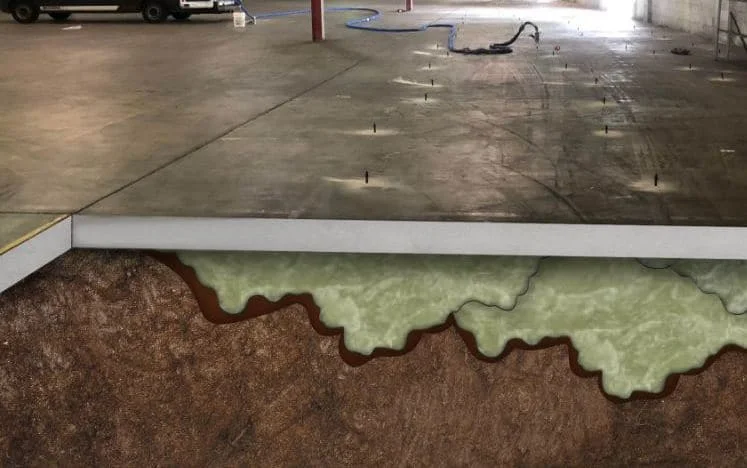
A warehouse floor with a cutaway showing foam injection beneath the concrete slab, illustrating ground stabilization and floor leveling—a technique also used for Garage Floor Lifting in Crystal Lake.

Why so many Schaumburg garages have settled

A slab poured during a rapid building period doesn’t necessarily have a worse foundation than one poured today, but the base under it may never have been compacted to modern standards. Add clay soil that expands and contracts with moisture, decades of freeze and thaw, and a downspout or two dumping water against the slab edge, and it’s easy to see why so many garage floors in the area have a dip or a crack by now.

Choosing between foam and mudjacking

For garage floors, foam is usually the better fit: it’s lightweight, cures fast, and doesn’t put extra load on soil that’s already unstable. Mudjacking, which uses a pumped slurry instead of foam, can make more sense for larger slabs where cost per square foot matters more than speed. We’ll assess your specific slab before recommending either one.
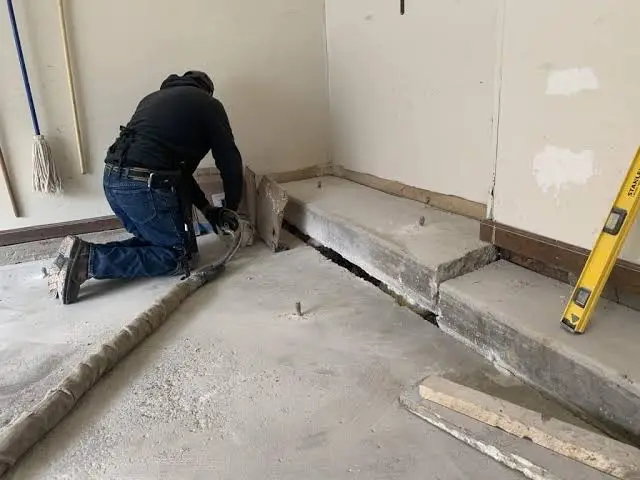
A person in dark clothing kneels on the floor, repairing or cutting a section of cracked concrete near a wall in what appears to be a garage or basement. Tools and construction materials are nearby, suggesting that Garage Floor Lifting in Crystal Lake may be underway to restore stability and ensure a level surface.

How the lifting process works

Signs it's time to have your garage floor looked at

• The garage door drags or won’t seal at the bottom
• A crack has opened up and keeps getting wider
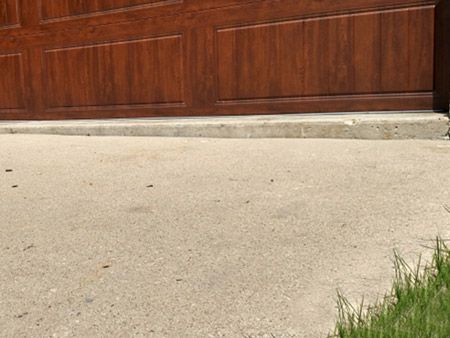
• There’s a noticeable step between the slab and the driveway apron
• Rain or melting snow pools inside near the back wall
• The floor feels like it slopes toward one corner

None of these are emergencies by themselves, but they’re worth having someone check before the slab settles further.

Call today for a FREE Estimate!

If your garage floor has a gap at the door, a crack that keeps growing, or a slab that dips toward the back wall, we’ll come take a look. The assessment is free and there’s no obligation attached to it.

Call us at (815) 264-2200 or request a free estimate online. Acme Concrete Raising & Repair · 824 S Main Street, Ste 105, Crystal Lake, IL 60014.

Frequently Asked Questions

Is this cheaper than replacing the garage floor?

Generally, yes. Lifting the existing slab avoids the cost of demolition, hauling away old concrete, and pouring and curing new concrete, so it typically costs a fraction of full replacement.
Most single-car or two-car garage floors take a few hours from start to finish, including drilling, injecting the foam, and patching the holes.
Just clear enough floor space for us to work. We don’t need access to shelving or items along the walls unless the settling extends into that area.
Generally, yes. Lifting the existing slab avoids the cost of demolition, hauling away old concrete, and pouring and curing new concrete, so it typically costs a fraction of full replacement.
Often, yes. Once the slab is lifted back to level, the door track usually stops binding. If the track itself was damaged by the settling, that’s a separate repair we can point you toward.