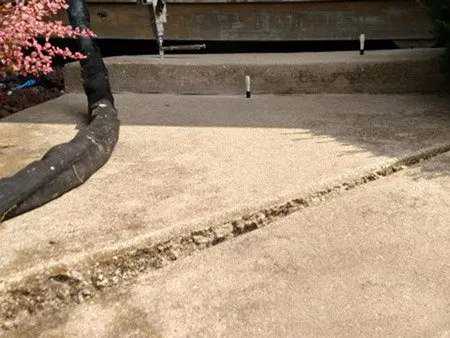
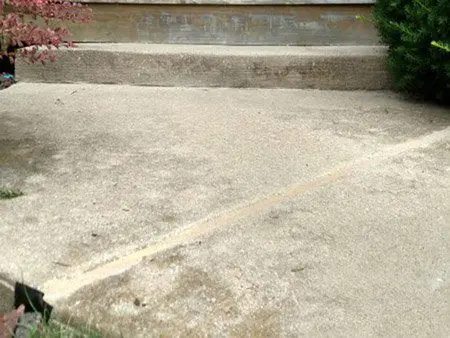
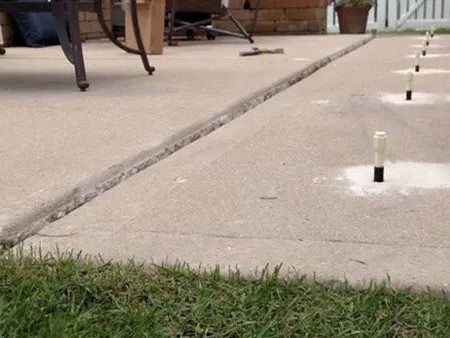
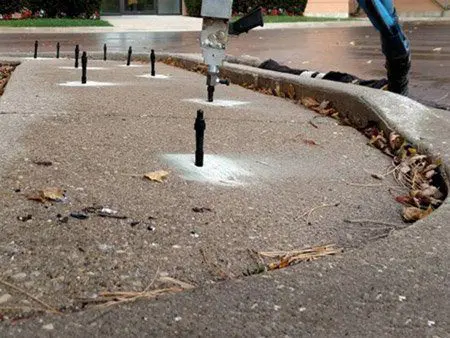
Algonquin is closely connected to the Fox River, with Woods Creek, Ratt Creek, Dixie Creek, and Crystal Creek carrying drainage through the community. Along waterfront properties and managed shoreline areas, moving water can find weak joints and openings that allow soil to escape from behind a wall.
Acme investigates the visible damage, backfill condition, and likely erosion paths. When the wall remains a candidate for stabilization, precisely placed polyurethane can fill accessible voids, support loose soil, and reduce the need for broad excavation.
Repair Decisions Shaped by the Fox River Watershed
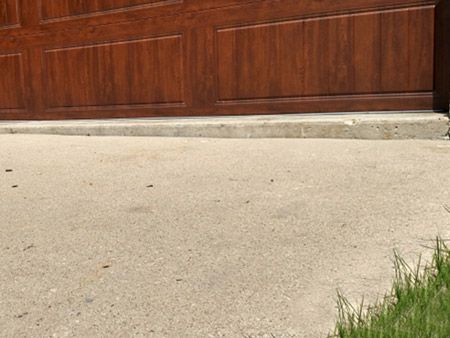
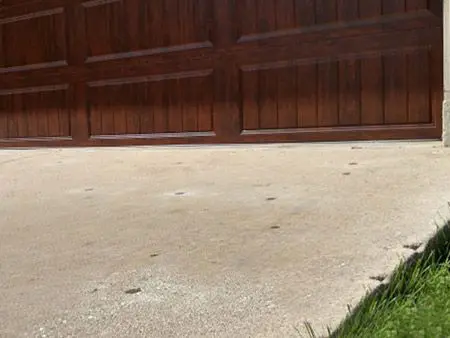
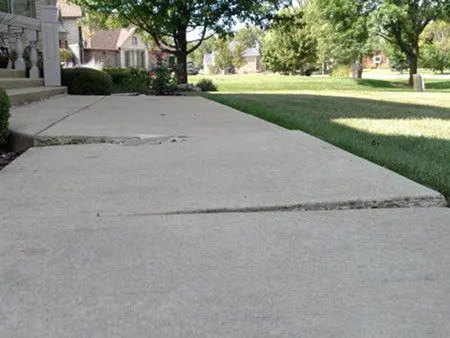
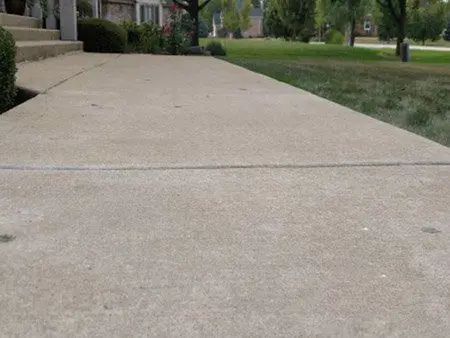
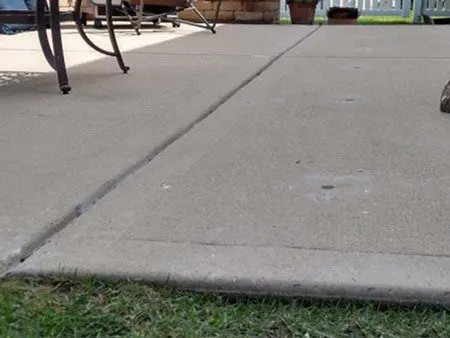
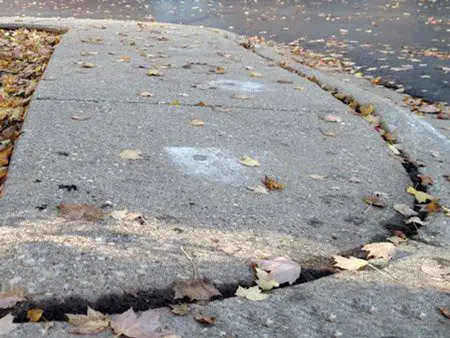
Water levels, creek flow, runoff, and seasonal freeze-thaw conditions all affect Algonquin shoreline structures. Seawall repair works best when the wall’s condition and the source of soil loss are considered together. Where nearby slabs have also settled, our concrete raising service may address those separate surfaces.
The Estimate Guard Promise: Best Price. Best Warranty. Guaranteed. With Acme’s Estimate Guard, you never have to worry about overpaying for professional concrete raising. We guarantee a better price and a better warranty than any competitor—so you get the best overall value every time. It’s our commitment to fair pricing, quality workmanship, and long-lasting results.
Frequently Asked Questions
What are common seawall problems in Algonquin?
Common concerns include soil loss through joints, depressions behind the wall, separated or leaning sections, washed-out areas, and settled concrete near the shoreline. Each symptom should be traced to its likely cause.
How does polyurethane help behind a seawall?
The material is injected into accessible voids where it expands in a controlled way. It can fill empty space and help stabilize loose backfill without requiring the entire area behind the wall to be excavated.
Will injection straighten a badly leaning wall?
Not necessarily. A significantly displaced or structurally failed wall may require engineering or reconstruction. Injection is intended for suitable stabilization and void-filling conditions, which must be confirmed during evaluation.
Can you repair soil loss near a shoreline patio?
If voids beneath or beside the patio are connected to seawall leakage, a combined evaluation can clarify the repair sequence. The wall-related erosion path should be addressed so the nearby slab is not supported over continuing soil loss.
When is the best time to inspect a seawall?
Inspection is useful whenever new settlement, open joints, erosion, or wall movement appears. Water conditions and site access can affect scheduling, so early contact provides more time to plan an appropriate repair.