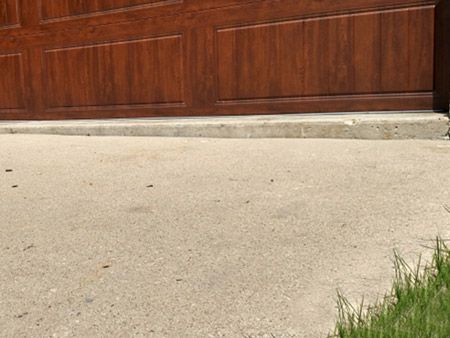
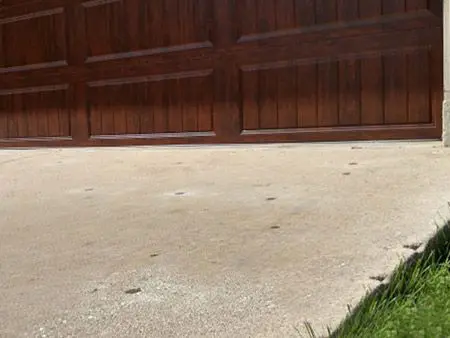
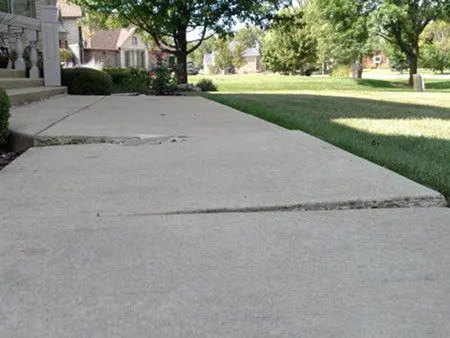
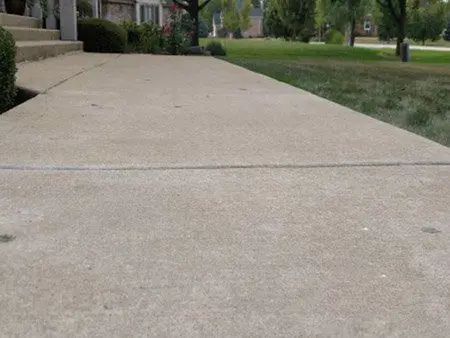
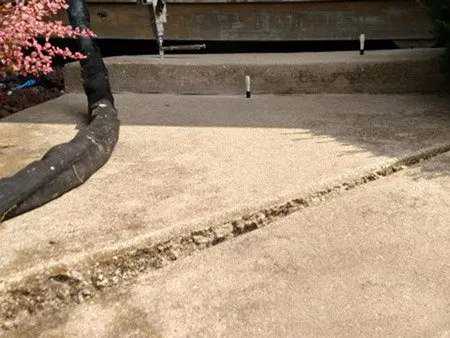
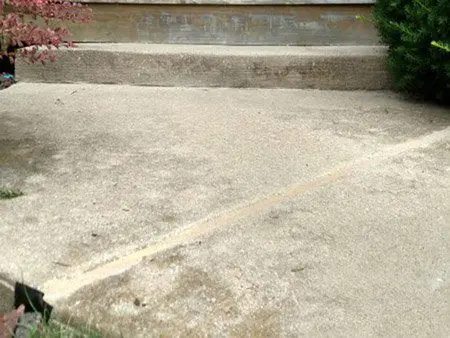
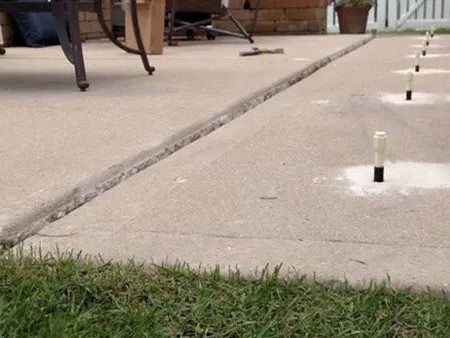
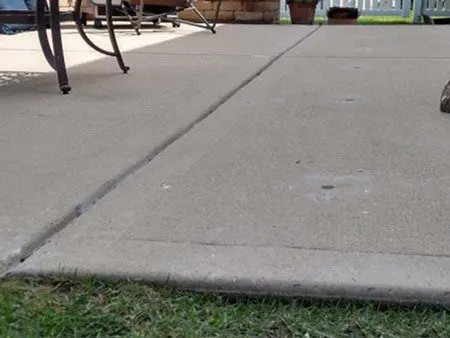
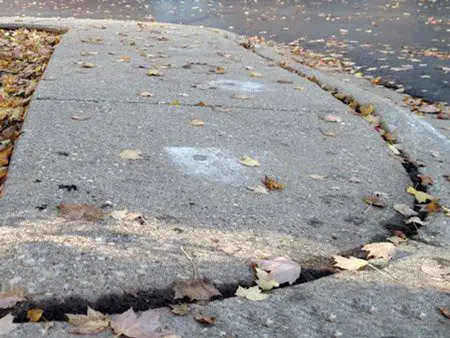
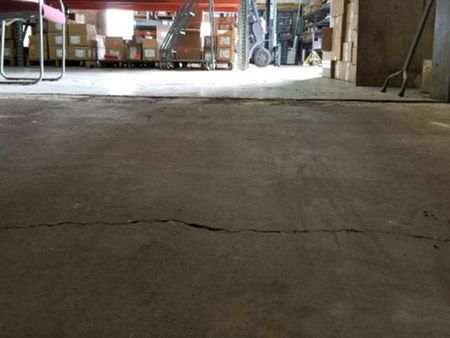
A settled driveway or walkway can interrupt drainage and create an abrupt edge. Polyurethane concrete raising restores support beneath many intact Sleepy Hollow slabs without full removal.
Sleepy Hollow combines wooded residential streets, open space, creeks, trails, and roadside swales that help move stormwater. Driveways often cross culverts or meet graded shoulders, while walks and patios follow landscaped terrain. Soil consolidation and water movement can leave individual panels below their intended elevation.
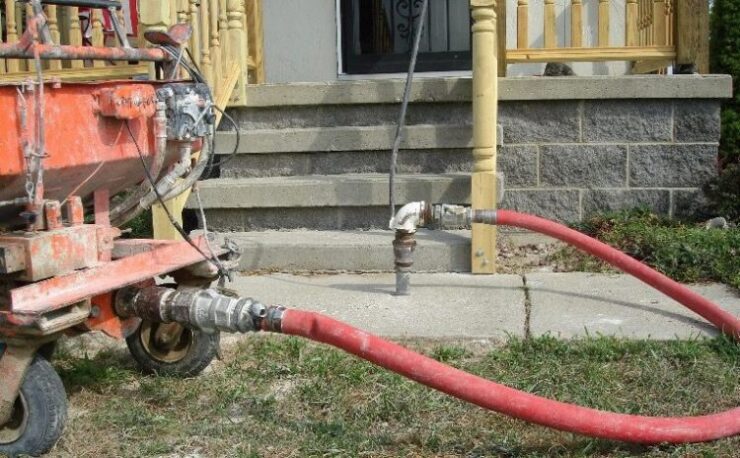
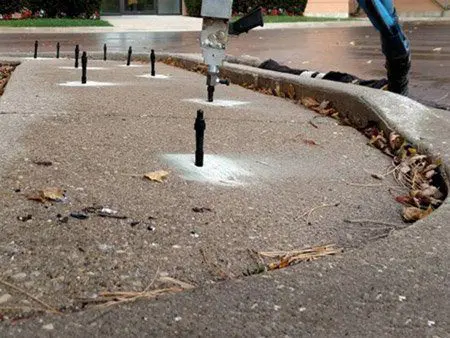
We examine slab integrity, cracks, joints, fixed thresholds, nearby swales, and runoff before drilling small injection holes. Expanding foam fills the void and raises the concrete in controlled stages. Explore our polyurethane concrete lifting process to see how it can preserve usable flatwork.
Village guidance emphasizes keeping swales and driveway culverts clear because drainage protects local roads and properties. Raising can improve a slab transition, but it should not obstruct a swale or replace broader drainage work. Final elevations are planned around the immediate water path and fixed structures.
The Estimate Guard Promise: Best Price. Best Warranty. Guaranteed. With Acme’s Estimate Guard, you never have to worry about overpaying for professional concrete raising. We guarantee a better price and a better warranty than any competitor—so you get the best overall value every time. It’s our commitment to fair pricing, quality workmanship, and long-lasting results.
Frequently Asked Questions
Can a Sleepy Hollow driveway be raised near a culvert?
Possibly. The culvert, swale grade, driveway condition, and desired drainage path must be evaluated together. Lifting should improve the transition without restricting stormwater flow.
Which slabs are good candidates for raising?
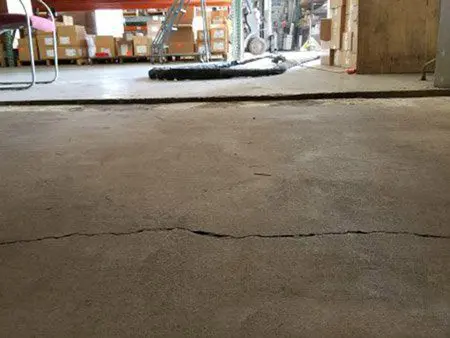
Concrete that has settled but remains largely intact is often considered. Severe cracking, crumbling, failed reinforcement, or structural movement may make replacement more practical.
How does polyurethane move the concrete?
The material is injected below the slab through small holes. It expands to fill missing support and applies controlled pressure that raises the panel in measured stages.
Can raising solve a flooded yard?
No. It can improve a low slab and local pitch, but yard flooding, creek conditions, blocked culverts, or broad grading issues require a larger drainage solution.
What maintenance follows concrete raising?
Keep nearby swales, culverts, downspouts, and drains functioning, then evaluate final joints and cracks for sealing. Managing water helps protect the restored support around the slab.