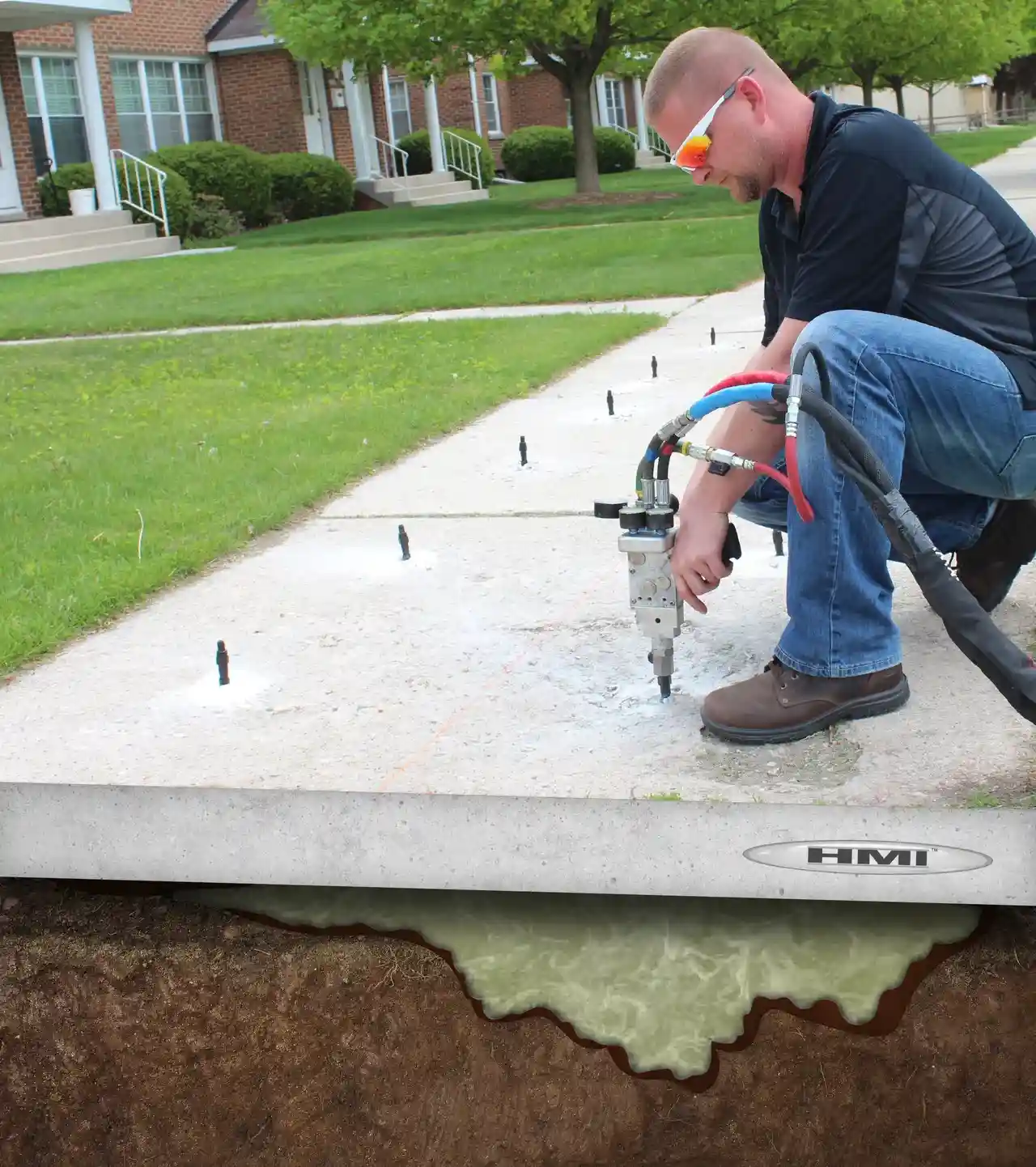
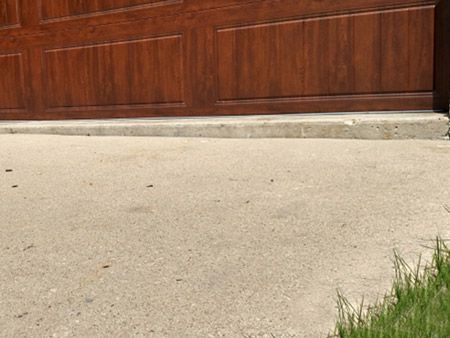
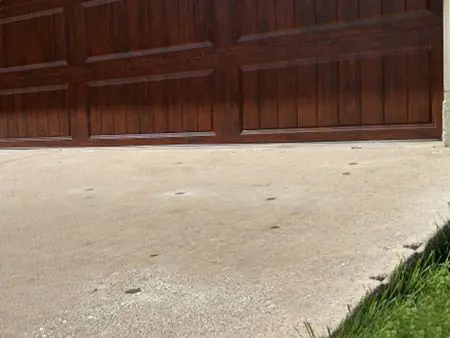
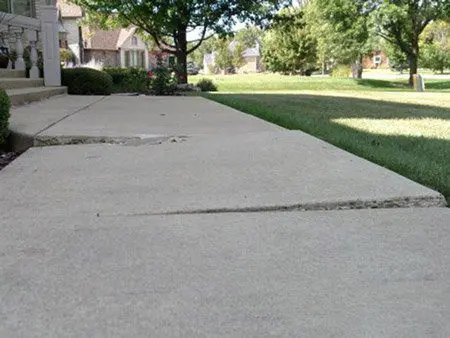
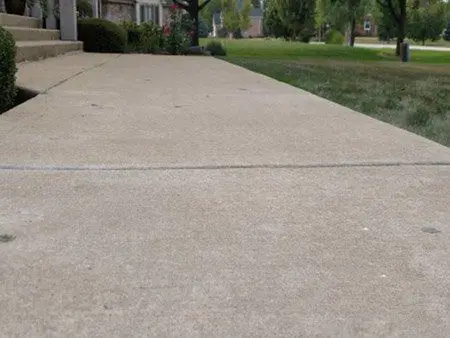
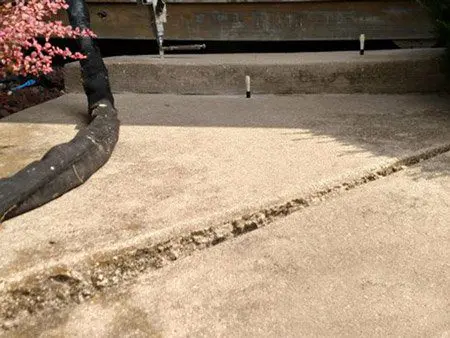
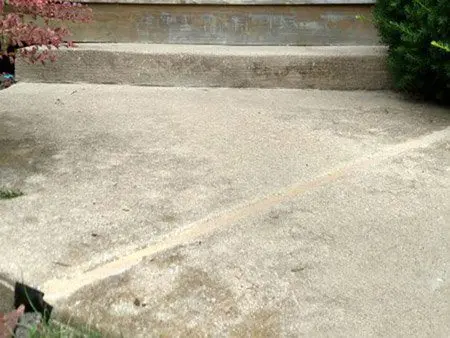
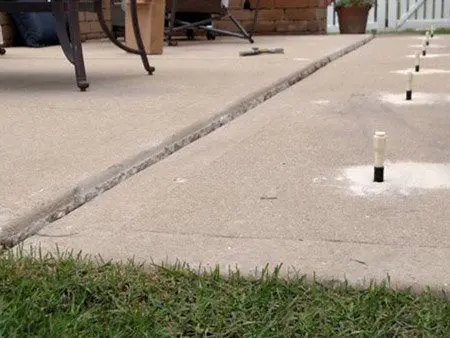
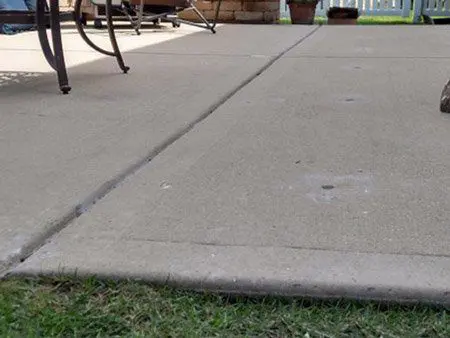
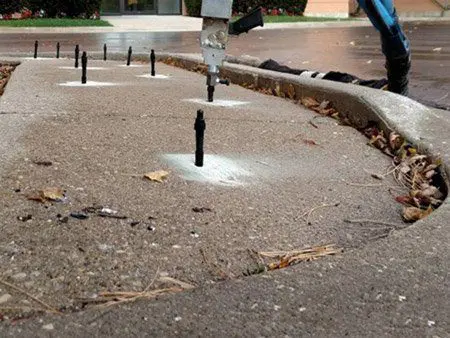
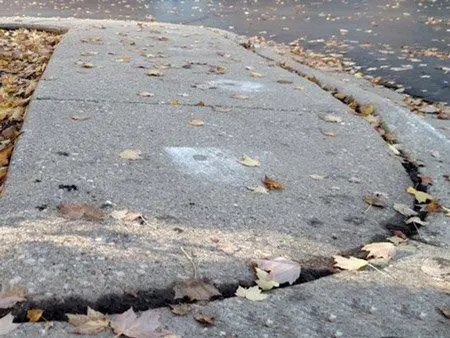
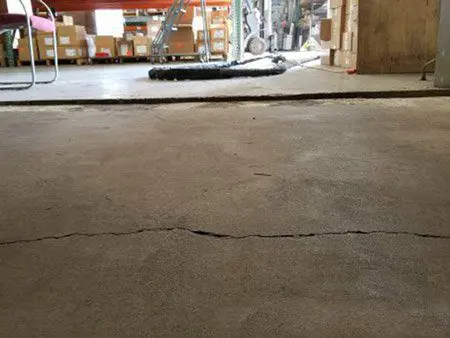
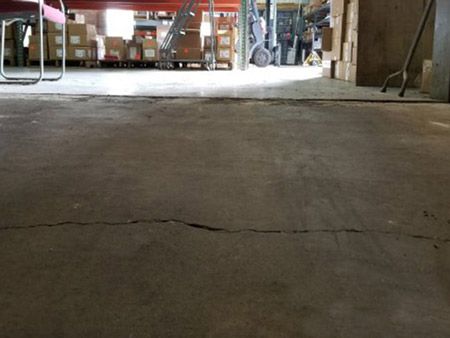
Sleepy Hollow’s wooded lots and varied grades can direct roof and landscape runoff toward concrete edges. In moisture-sensitive areas, soil may consolidate, erode, or lose support beneath a driveway, walk, patio, or garage slab. Acme evaluates cracks, joints, elevations, drainage, adjoining surfaces, and the condition of the concrete before lifting. Polyurethane is placed through small drilled ports to fill accessible voids and raise suitable slabs in controlled increments.
Tree cover, slopes, and short drainage routes can create different support conditions across one Sleepy Hollow property. Our polyurethane concrete raising process targets lost support beneath suitable slabs while keeping the work area compact.
The Estimate Guard Promise: Best Price. Best Warranty. Guaranteed. With Acme’s Estimate Guard, you never have to worry about overpaying for professional concrete raising. We guarantee a better price and a better warranty than any competitor—so you get the best overall value every time. It’s our commitment to fair pricing, quality workmanship, and long-lasting results.
Frequently Asked Questions
What concrete can be leveled in Sleepy Hollow?
Many driveways, walks, patios, garage floors, stoops, steps, and outdoor slabs can be evaluated when the concrete remains suitable for lifting.
Does tree cover affect concrete settlement?
Shade can slow drying, while roots and drainage patterns can affect nearby soil. The specific slab and surrounding conditions must be evaluated.
Can polyurethane leveling correct a trip point?
It can often improve height differences, but the achievable alignment depends on slab condition, cracks, adjoining structures, and the cause of settlement.
Should drainage be changed after leveling?
If water reaches slab edges or washes soil away, correcting that path can help protect support. Leveling does not replace grading or drainage work.
Will existing cracks close completely?
No. The sides may align more closely after lifting, but the crack remains and may need separate treatment after the slab reaches its final position.