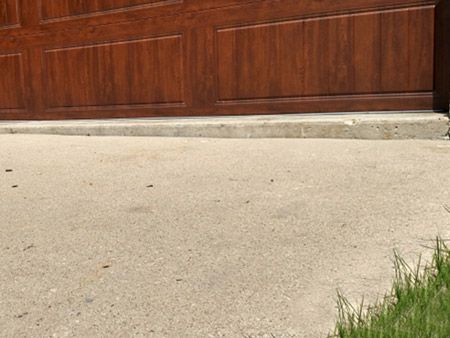
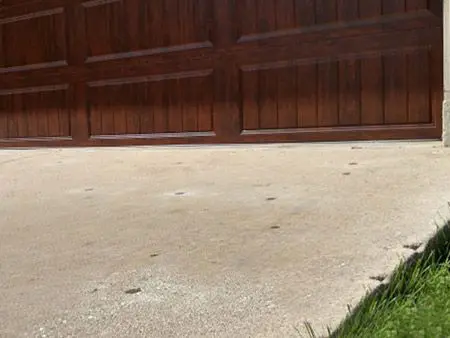
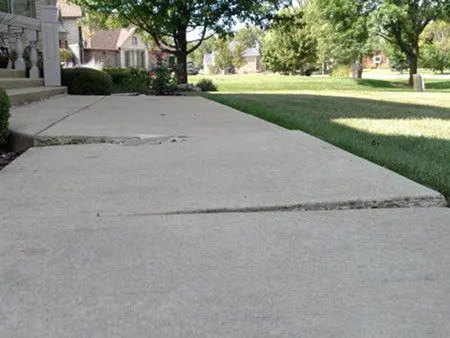
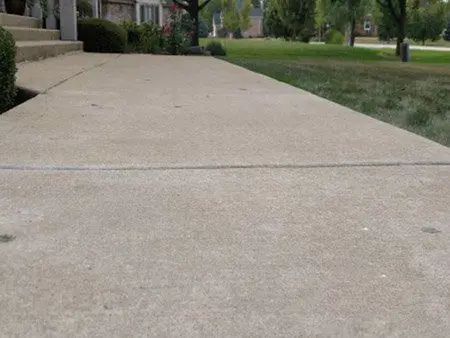
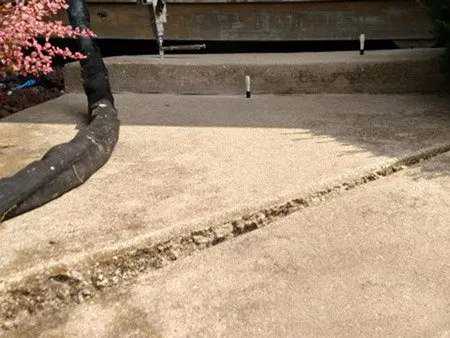
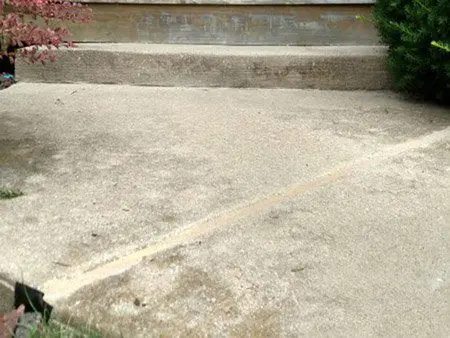
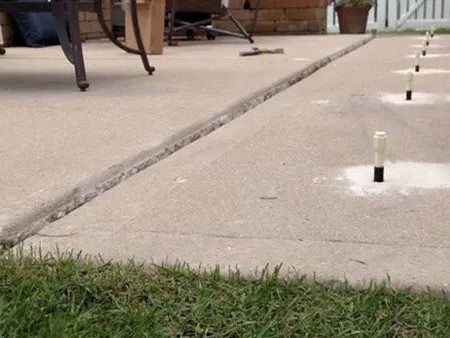
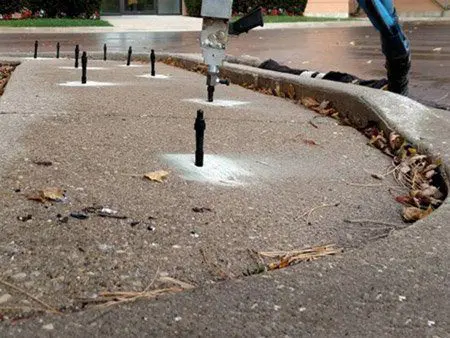
A seawall along the Fox River corridor must retain soil while handling water movement, runoff, and changing pressure behind the structure. Small openings can allow fine material to escape, creating voids beneath lawns, paths, or patios. Acme evaluates wall alignment, caps, joints, drainage, retained soil, nearby improvements, and access before recommending work. This full-system review helps identify whether the visible damage is localized or connected to a broader stabilization need.
Depending on the findings, work may include sealing soil-loss paths, filling voids, stabilizing the retained area, restoring damaged concrete, or reinforcing selected sections. Our seawall repair approach matches the method to the wall material, failure pattern, shoreline exposure, and safe access rather than relying on a standard package.
Wall and soil evaluated together Alignment, openings, voids, drainage, and retained grades are reviewed as one system.
Cause-focused repair planning Recommendations address observed erosion, pressure, support loss, or deterioration.
Care around riverfront improvements Access is planned with yards, walks, decks, docks, and landscaping in mind.
Repair Planning Along the Fox River Corridor
South Elgin waterfront properties can place retaining walls close to sloped yards, public-facing paths, patios, and drainage outlets. A focused repair plan considers how water reaches the wall, where soil is escaping, and what must be protected behind the shoreline.
The Estimate Guard Promise: Best Price. Best Warranty. Guaranteed. With Acme’s Estimate Guard, you never have to worry about overpaying for professional concrete raising. We guarantee a better price and a better warranty than any competitor—so you get the best overall value every time. It’s our commitment to fair pricing, quality workmanship, and long-lasting results.
Frequently Asked Questions
What are common signs of seawall trouble in South Elgin?
Watch for leaning, widening joints, cracked caps, exposed backfill, sinkholes, fresh erosion, or sediment appearing near an opening in the wall.
Can a Fox River seawall be repaired in sections?
Often, yes. The inspection determines whether damage is isolated and whether adjacent sections have enough support for a targeted repair.
Why do voids form behind a seawall?
Water can carry fine soil through cracks, open joints, failed drainage points, or gaps below the wall. The escape path should be addressed with the void.
Does sealing a crack solve seawall movement?
Not by itself. A crack may reflect pressure, rotation, support loss, or material deterioration. The underlying condition needs to guide the repair.
How is access handled on a narrow riverfront lot?
The crew reviews slopes, gates, landscaping, structures, neighboring areas, and shoreline reach before selecting equipment and a work sequence.