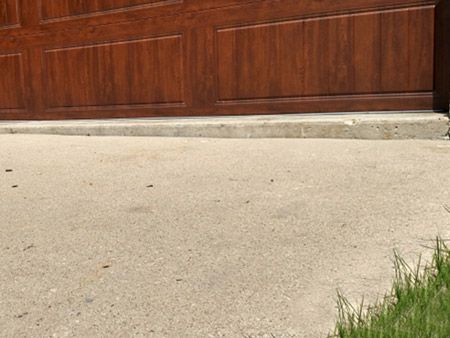
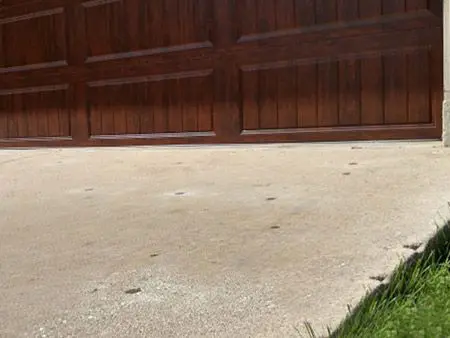
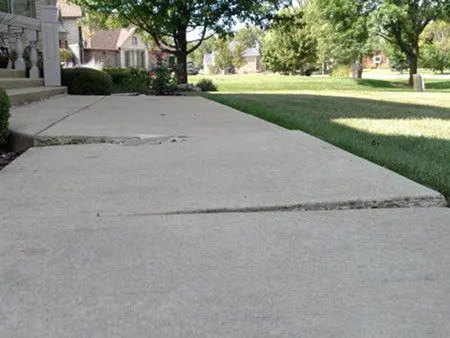
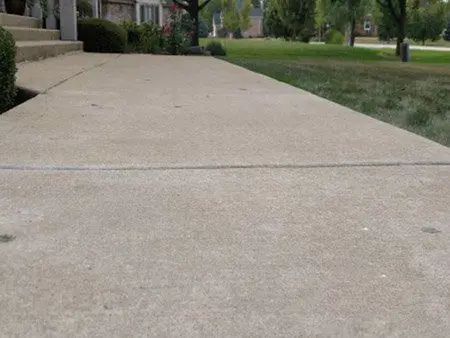
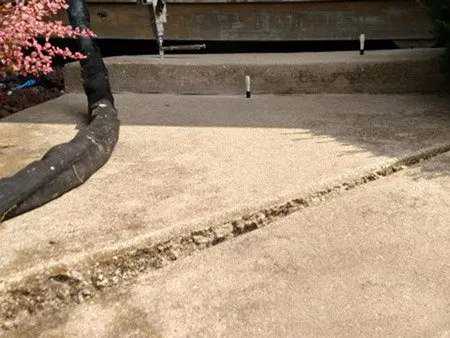
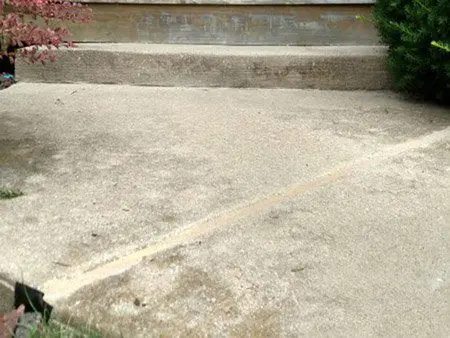
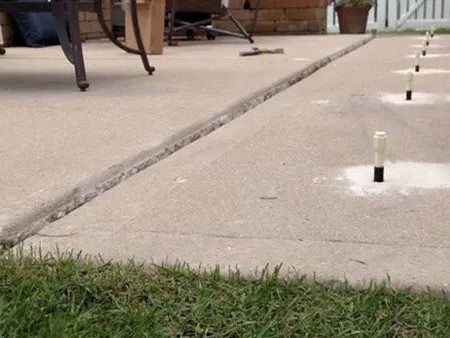
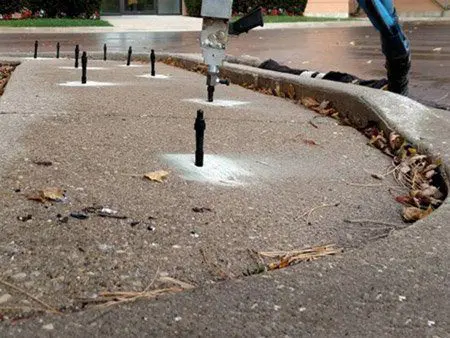
Nippersink Creek runs through Spring Grove, and local properties may also border ponds, drainage channels, and managed water edges. Flowing water and repeated wetting can move soil through wall joints or hidden openings, creating depressions, loose backfill, and unsupported surfaces behind the structure.
Acme evaluates the wall, erosion path, soil condition, and practical access before planning repair. When the structure remains suitable, polyurethane injection can fill accessible voids and stabilize backfill with less disruption than broad excavation.
Creek flow, drainage from open land, detention ponds, and freeze-thaw cycles can place different stresses on Spring Grove shoreline structures. A successful seawall repair plan considers how water reaches the wall as well as where soil has already been lost.
The Estimate Guard Promise: Best Price. Best Warranty. Guaranteed. With Acme’s Estimate Guard, you never have to worry about overpaying for professional concrete raising. We guarantee a better price and a better warranty than any competitor—so you get the best overall value every time. It’s our commitment to fair pricing, quality workmanship, and long-lasting results.
Frequently Asked Questions
What are signs of seawall trouble in Spring Grove?
Common signs include holes or depressions behind the wall, open joints, washed-out soil, leaning sections, and nearby concrete settlement. New water paths or recurring erosion should also prompt an evaluation.
How does soil escape from behind a wall?
Fine material can move through separated joints, cracks, openings around pipes, or gaps beneath the structure. Over time, repeated water flow leaves a void even when the wall face appears mostly intact.Yes. Most seawalls can be stabilized and restored at a much lower cost than full replacement.
Can polyurethane repair every creek or pond wall?
No. The structure, erosion source, water conditions, and access must support injection. A collapsed, severely displaced, or structurally failed wall may require engineering or reconstruction instead.
Will the repair stop future erosion?
Filling accessible voids helps restore support, but an active drainage or wall opening may also need correction. We identify visible contributing paths so the property owner understands the full repair scope.
Can nearby concrete be lifted during the project?
Settled walks or patios may be evaluated separately for concrete raising. The shoreline-related soil loss should be addressed in the proper sequence so the slab is not lifted above an unstable area.