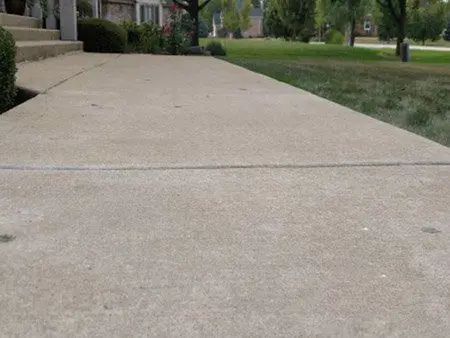
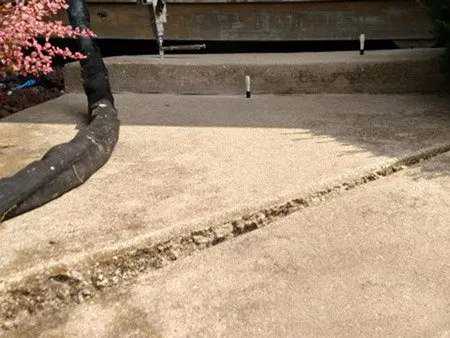
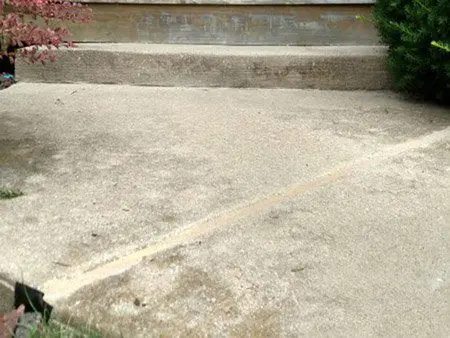
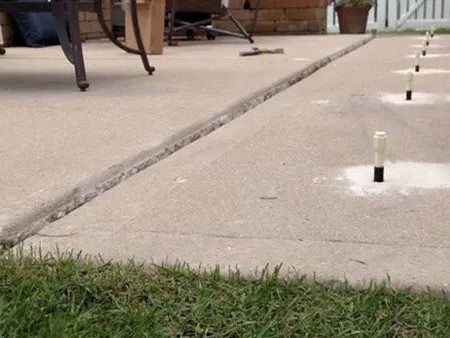
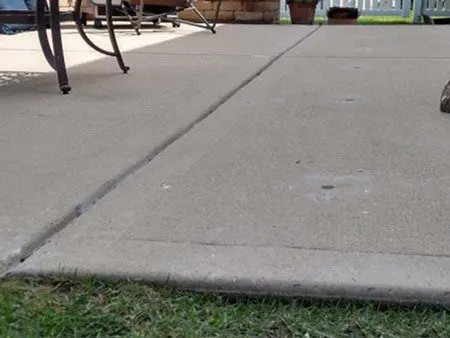
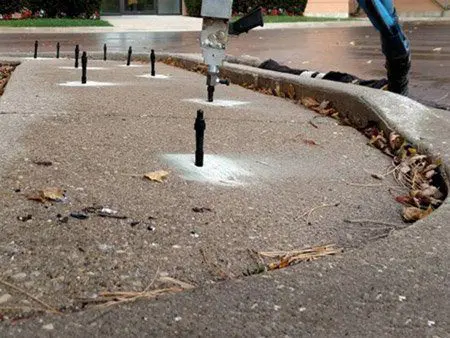
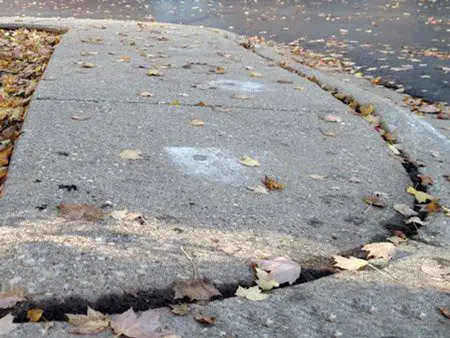
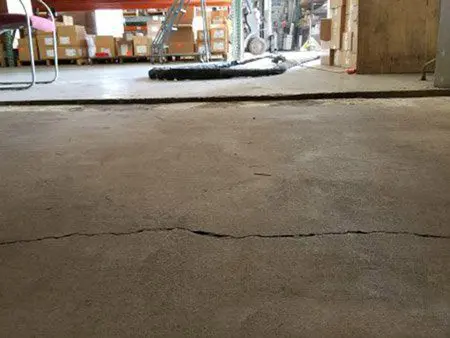
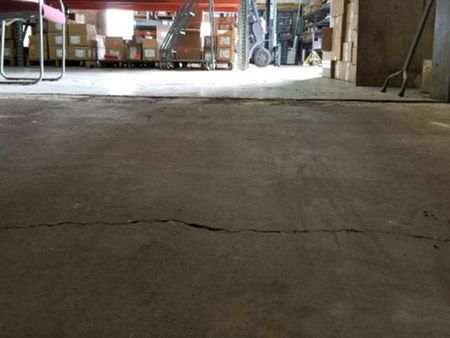
Failed concrete joints allow water and debris to reach slab edges and supporting soil. Flexible caulking helps protect Third Lake flatwork while accommodating normal seasonal movement.
Third Lake is a quiet residential community built around Third Lake and Druce Lake, with commercial properties along the Route 45 corridor. Driveways, front walks, patios, garage aprons, and business flatwork all contain joints that can dry, split, or pull away as concrete moves through changing seasons.
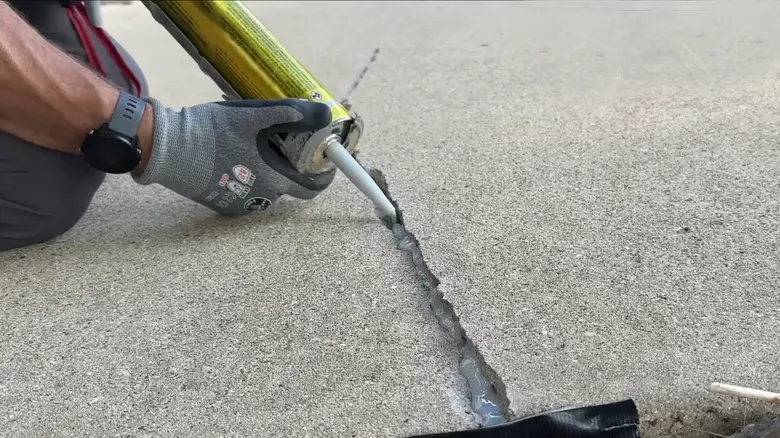
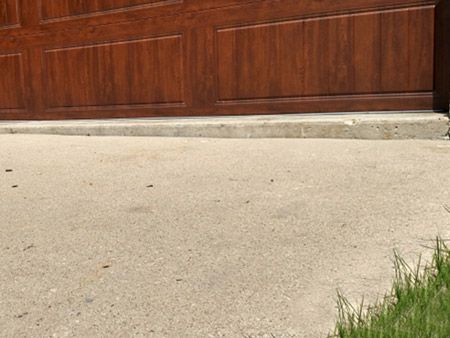
We examine joint width, depth, edge condition, and existing sealant before removing loose material and preparing the opening. A flexible seal is then installed with the appropriate profile. Caulking does not raise settled concrete, so lifting should be evaluated first. Learn about our concrete joint caulking service and repair sequence.
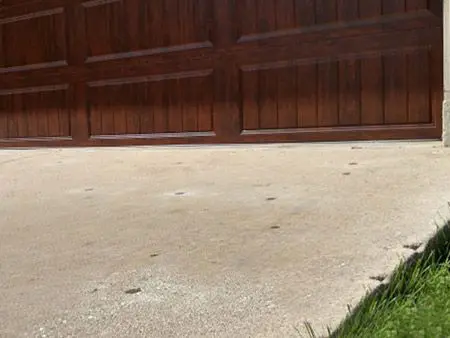
Water from roofs, paved surfaces, landscaped grades, and lake-area weather can reach concrete in different ways. We focus on the joints that benefit from sealing, including driveway controls, garage transitions, patio perimeters, and selected cracks. Deteriorated concrete or active structural movement may require another solution.
The Estimate Guard Promise: Best Price. Best Warranty. Guaranteed. With Acme’s Estimate Guard, you never have to worry about overpaying for professional concrete raising. We guarantee a better price and a better warranty than any competitor—so you get the best overall value every time. It’s our commitment to fair pricing, quality workmanship, and long-lasting results.
Frequently Asked Questions
Why should concrete joints be caulked in Third Lake?
Caulking helps limit water, grit, and organic debris from entering suitable joints and cracks. It also keeps incompressible material from collecting where concrete needs room for normal movement.
Can caulking stop concrete from sinking?
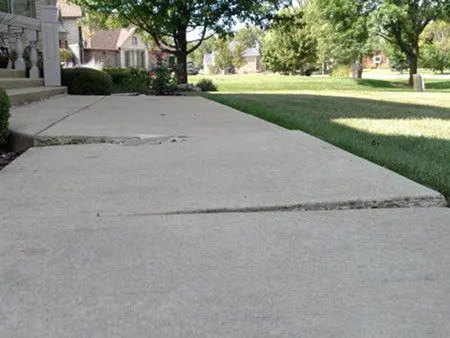
No. Sealant protects an opening but does not replace missing support or change slab elevation. A settled panel should be evaluated for raising before the final joint is sealed.
Should every line in a slab receive sealant?
No. Control joints, expansion joints, construction seams, and cracks serve different purposes. We evaluate the opening and surrounding concrete before selecting the preparation and material.
What happens to old or cracked caulk?
Loose and failed material is removed as appropriate so the replacement sealant can bond to prepared joint walls. The exact preparation depends on the existing product and condition.
Will new caulk match weathered concrete?
Available colors can coordinate with the slab, but an exact match is unlikely on aged concrete. A clean, flexible seal and correct joint profile are more important than an invisible appearance.