DEEP FOAMJECTION IN THIRD LAKE

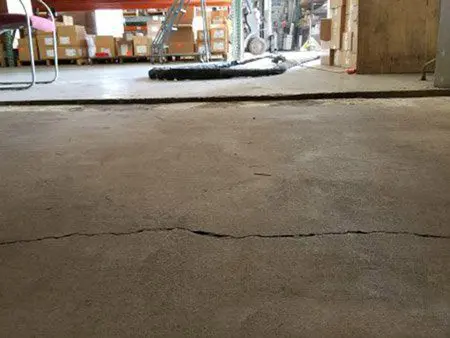
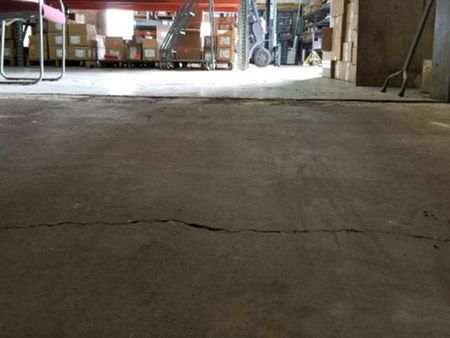
Restore deeper support beneath driveways, walks, patios, and garage slabs affected by lake-area moisture, low grades, or subsurface soil loss.
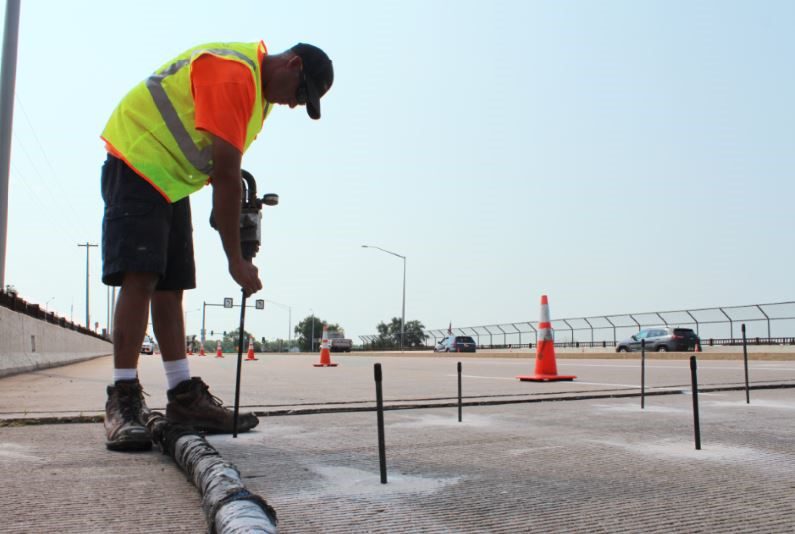
Highway worker

Deep Void Stabilization for Third Lake Concrete

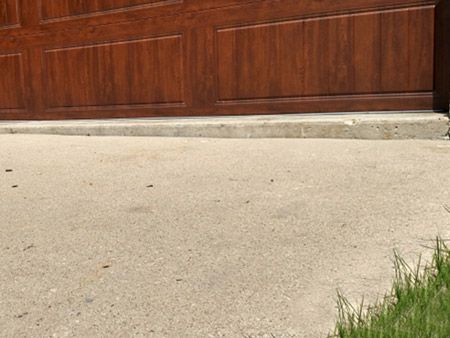
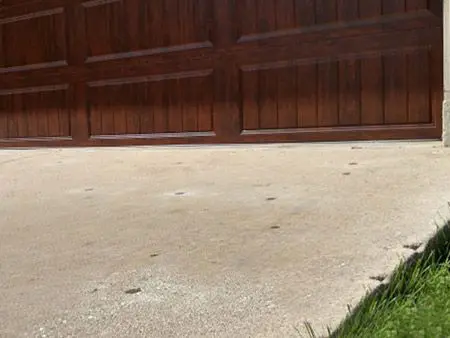
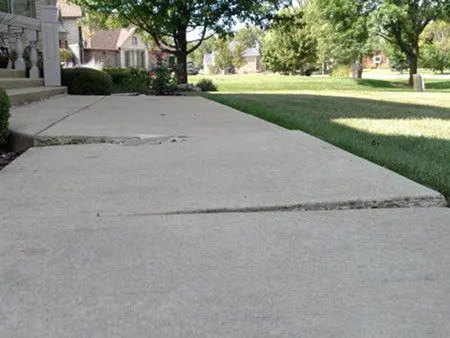
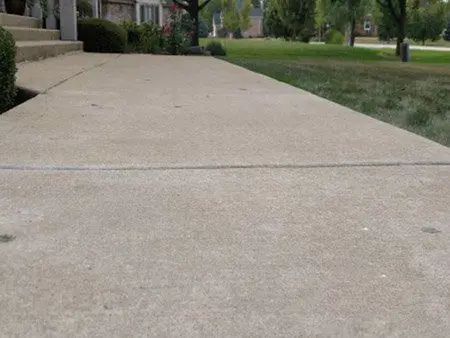
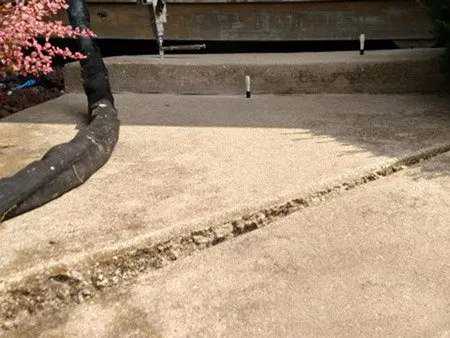
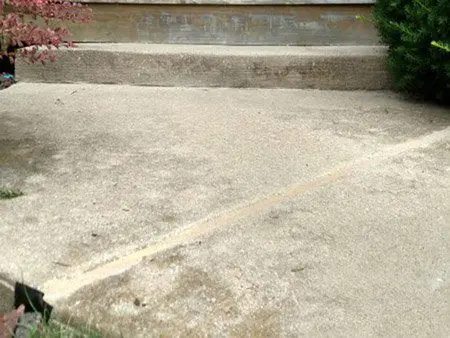
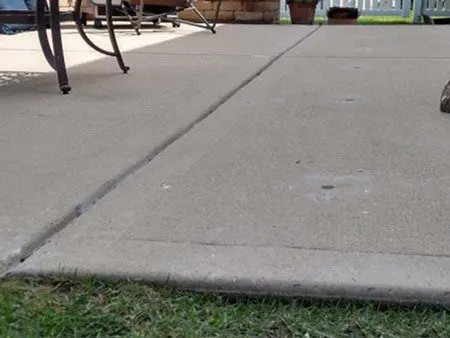
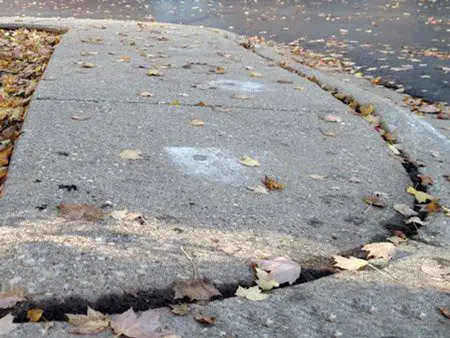
Third Lake’s residential setting places concrete close to lakes, managed drainage, landscaped yards, and low or gently changing grades. Saturated soil, utility backfill, or water following slab edges can move fine material and create deeper spaces beneath concrete. Acme assesses the slab, moisture path, grade, access, nearby structures, and suspected void depth before selecting a Deep Foamjection plan.
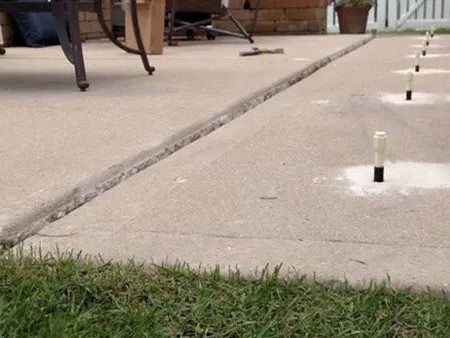
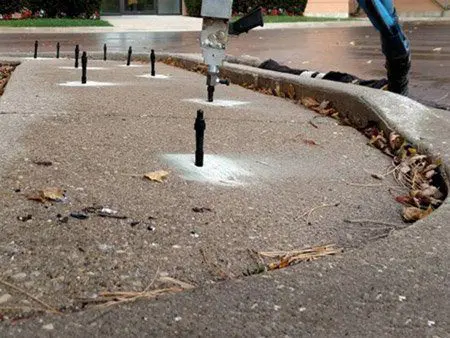
Polyurethane expands within targeted subsurface spaces after being introduced through small drilled openings. The material improves support beneath suitable slabs while limiting surface disruption. Active drainage, open water pathways, leaking utilities, and badly fractured concrete require separate attention.

Polyurethane Concrete Raising is All We Do!

Why Third Lake Property Owners Choose Acme

Foamjection for Low Grades and Lake-Area Moisture

Concrete in Third Lake can lose support where water remains near slab edges or follows disturbed fill. Our Deep Foamjection process fills accessible voids after the property’s drainage and moisture conditions have been reviewed.

Call today for a FREE Estimate!

The Estimate Guard Promise: Best Price. Best Warranty. Guaranteed. With Acme’s Estimate Guard, you never have to worry about overpaying for professional concrete raising. We guarantee a better price and a better warranty than any competitor—so you get the best overall value every time. It’s our commitment to fair pricing, quality workmanship, and long-lasting results.

Frequently Asked Questions

Can wet soil conditions create a deep void?

Changing moisture can weaken or move fine soil, but the actual void and source of water must be evaluated at the property.
Potentially. Distance, drainage pathways, water conditions, access, and the slab’s suitability must be considered first.
No. It fills targeted subsurface space. Active water sources and drainage need their own correction.
They may be included when their slab conditions and support loss are related and both areas remain serviceable.
The slab, foundation connection, drainage, utilities, and practical target elevation must be reviewed before any lifting or stabilization.