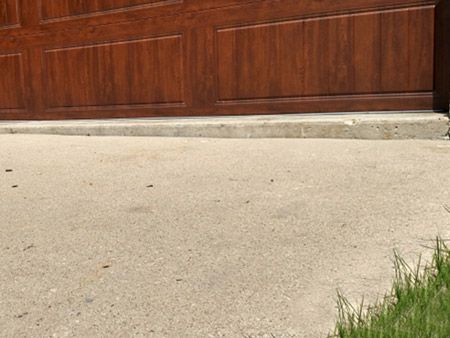
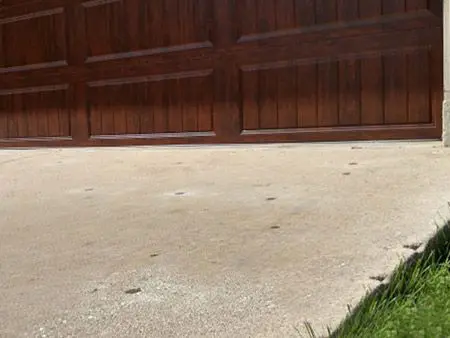
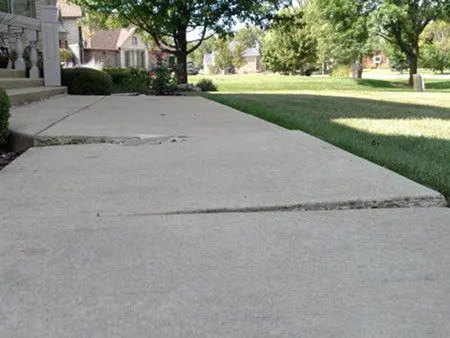
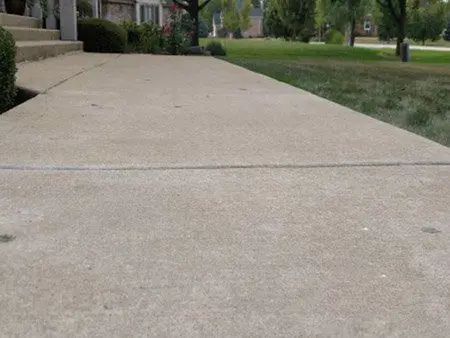
Soil loss behind a seawall can leave shoreline walks, patios, and landscaped edges without support. Targeted polyurethane injection fills suitable voids with less disruption than broad excavation.
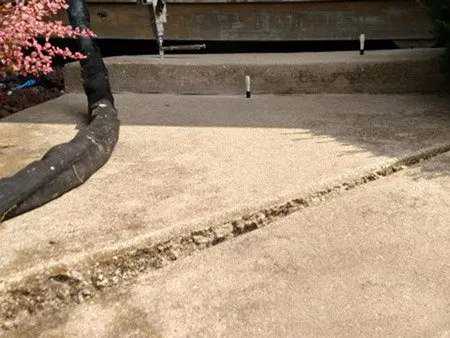
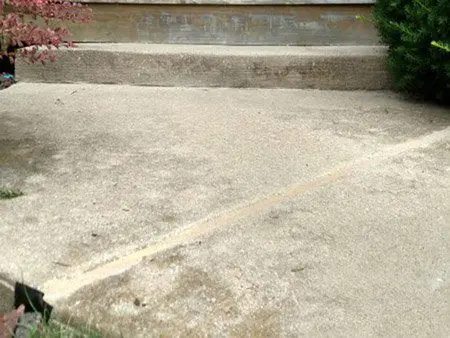
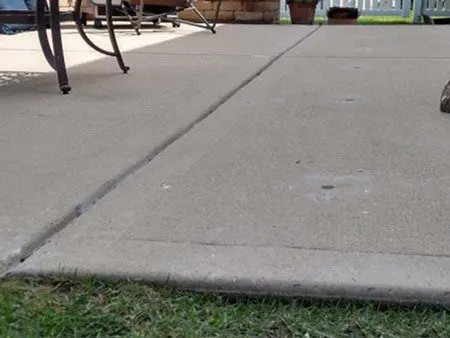
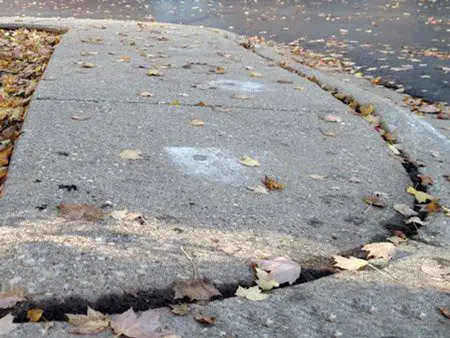
Third Lake contains two recreational lakes, Third Lake and Druce Lake, connected within the local watershed. Shoreline conditions vary by property, but openings in wall joints, drainage routes, and repeated water movement can carry fine backfill away. Depressions or dropped slabs behind the wall often reveal the loss.
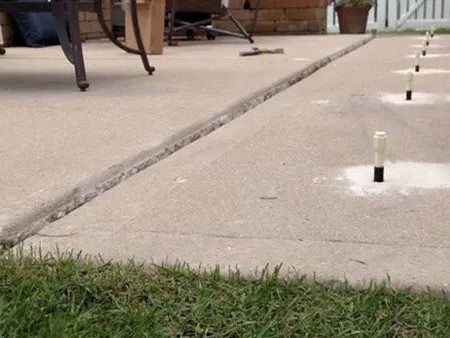
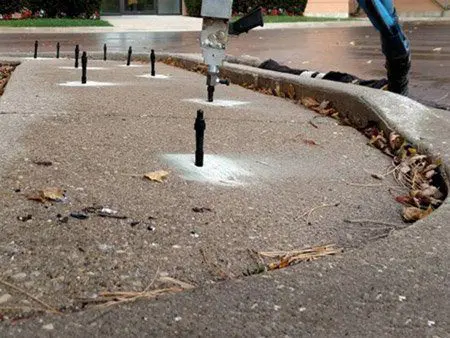
We inspect the wall face, cap, joints, adjacent concrete, soil depressions, grade, and drainage before planning injection points. Polyurethane can fill selected voids and improve support where the wall remains suitable for this method. Explore foam-based seawall backfill repair and its role in shoreline stabilization.
Foam injection addresses voided backfill and certain settled slabs, not every seawall defect. A leaning, fractured, displaced, or badly deteriorated wall may need structural reconstruction or engineering. We define what the polyurethane process can reasonably treat before developing the scope.
The Estimate Guard Promise: Best Price. Best Warranty. Guaranteed. With Acme’s Estimate Guard, you never have to worry about overpaying for professional concrete raising. We guarantee a better price and a better warranty than any competitor—so you get the best overall value every time. It’s our commitment to fair pricing, quality workmanship, and long-lasting results.
Frequently Asked Questions
What signs suggest a void behind a Third Lake seawall?
Sinking soil, a hollow area, widening gaps, settled concrete, or material disappearing near a wall joint can indicate support loss. An inspection is needed to determine the path and extent.
Can foam straighten a leaning seawall?
Polyurethane void filling is not a substitute for structural wall reconstruction. A leaning wall may have anchor, footing, or earth-pressure problems that should be evaluated before any backfill treatment.
Can a shoreline patio be lifted during the repair?
Possibly, if the slab is structurally sound and the wall, grade, access, and drainage allow safe movement. The support and elevation plan must be considered together.
Should drainage holes in the wall be closed?
Not automatically. Some openings intentionally relieve water pressure. The assessment should distinguish necessary drainage features from unintended gaps that allow soil to escape.
Do shoreline projects require permits?
Requirements depend on the lake, wall, ownership, and work scope. Property owners should confirm approvals with the village, county, association, and applicable state or federal agencies before regulated work.