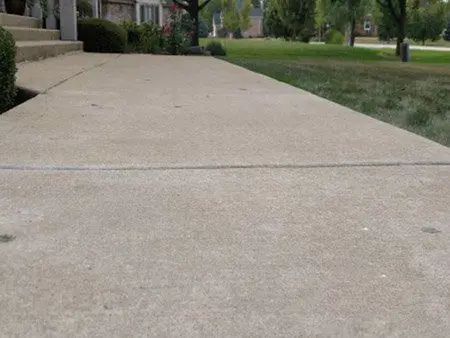
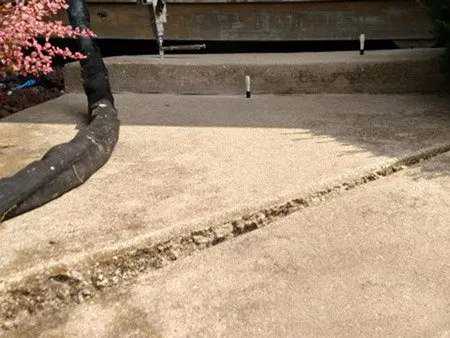
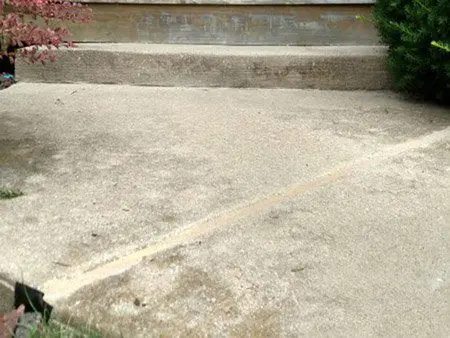
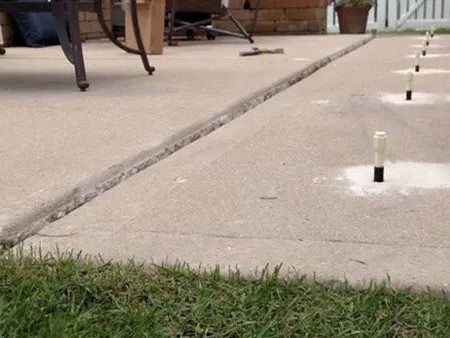
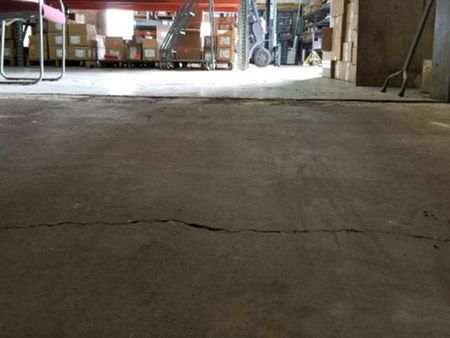
Protect concrete joints across Trout Valley and Union properties with careful cleaning and flexible sealant. Reduce water and debris entry without overfilling the existing layout.
Joint Caulking for Trout Valley and Union Properties
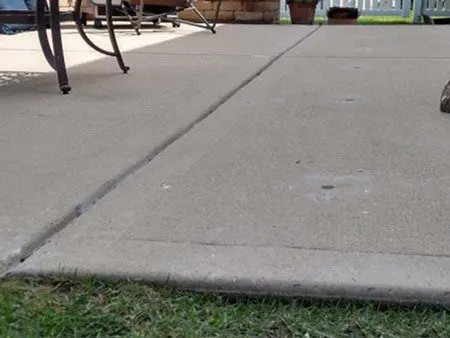
This service area includes two distinct McHenry County settings: wooded, river-influenced residential surroundings near Trout Valley and more open small-town and rural properties around Union. In either setting, unsealed joints can collect water, soil, weeds, and hard debris that restricts normal movement.
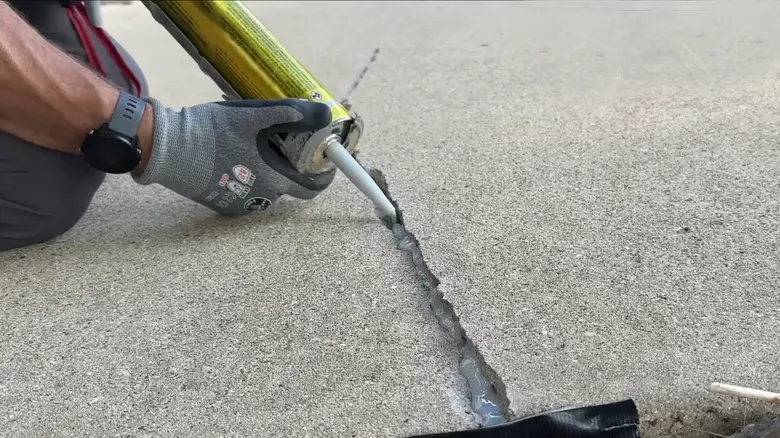
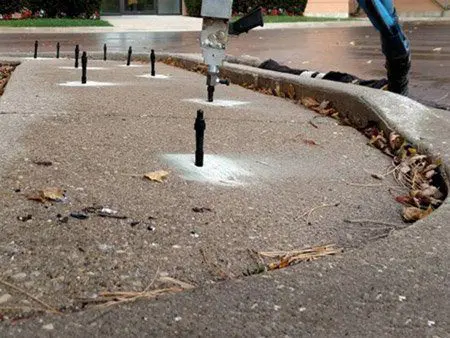
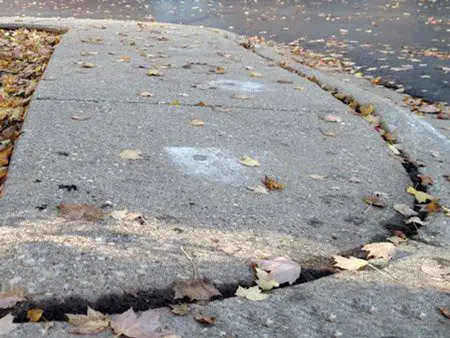
Our concrete joint caulking process starts with the opening itself. We assess joint width, depth, edge condition, old sealant, and adjoining slab elevations before installing flexible material that is shaped to shed surface water.
Tree cover and river proximity can keep some Trout Valley joints damp, while open Union properties may experience more sun, wind, and agricultural dust. Preparation and sealant placement are adjusted to the actual surface so each joint receives a clean, functional profile.
Shaded residential joints near Trout Valley
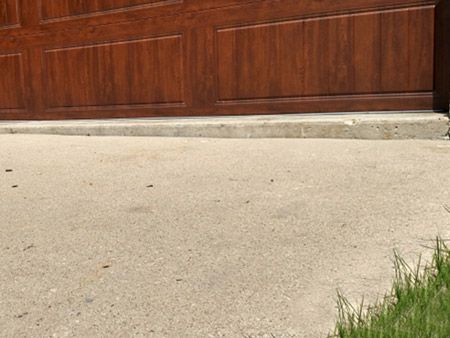
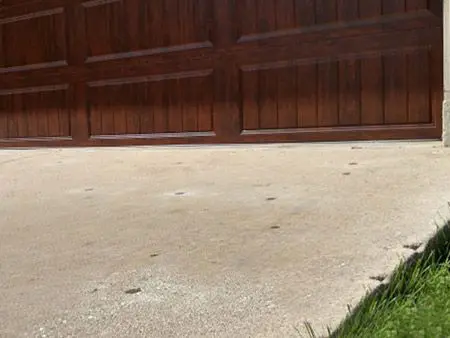
Open drive and garage joints around Union
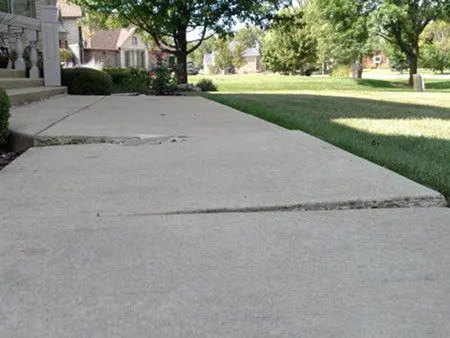
Walkways collecting soil and plant growth
Patios exposed to moisture and temperature cycling
The Estimate Guard Promise: Best Price. Best Warranty. Guaranteed. With Acme’s Estimate Guard, you never have to worry about overpaying for professional concrete raising. We guarantee a better price and a better warranty than any competitor—so you get the best overall value every time. It’s our commitment to fair pricing, quality workmanship, and long-lasting results.
Frequently Asked Questions
Do Trout Valley and Union properties need the same caulking approach?
The installation principles are similar, but shade, moisture, debris, joint size, and surface condition vary by site. Preparation is adjusted after the individual joints are inspected.
Can concrete caulking keep weeds out of joints?
Sealing reduces the open space where soil and seeds collect, which can discourage growth. Existing vegetation and roots must be removed before the joint is prepared.
What happens if a joint is too wide or deep?
The joint may need appropriately sized backing material so the sealant forms the correct profile. Filling a deep opening entirely with sealant is not the preferred approach.
Can moving cracks be sealed like expansion joints?
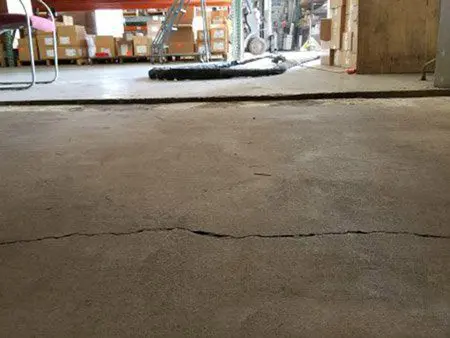
Some cracks can be treated, but movement pattern, width, and broken edges matter. A crack caused by settlement may need slab correction before a surface seal is considered.
When can people walk or drive over new caulk?
Return-to-use timing depends on the product, weather, and joint location. The crew provides instructions after installation so the material can cure without being disturbed.