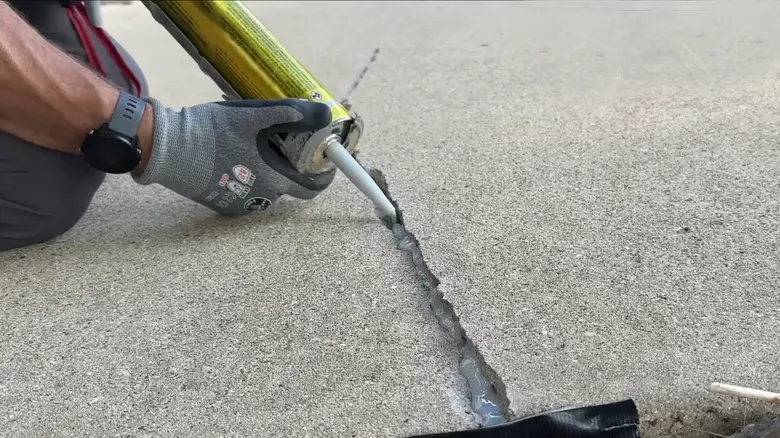
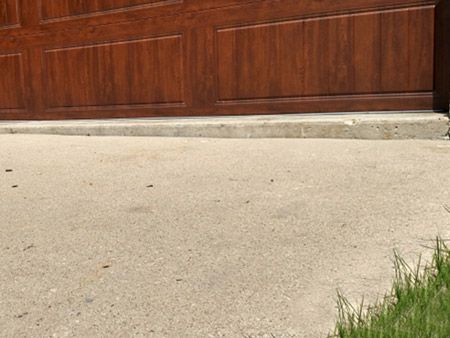
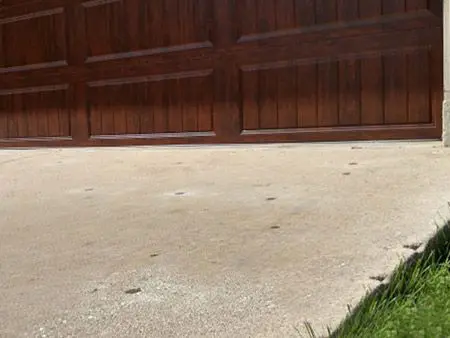
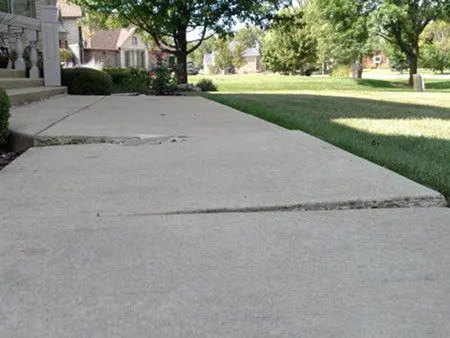
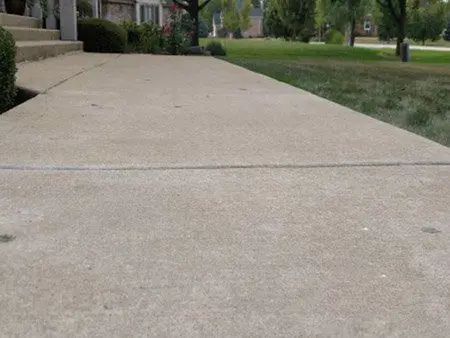
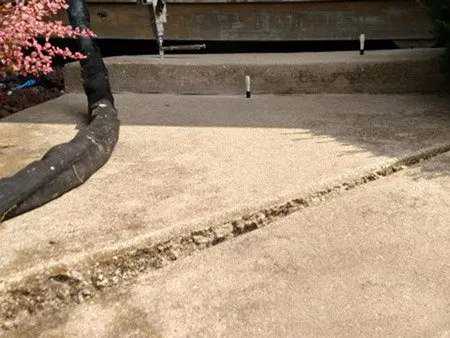
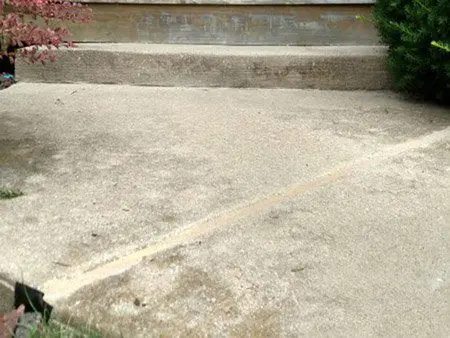
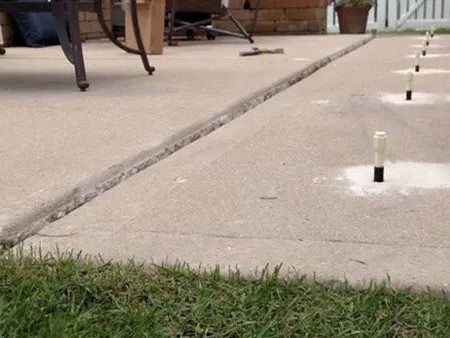
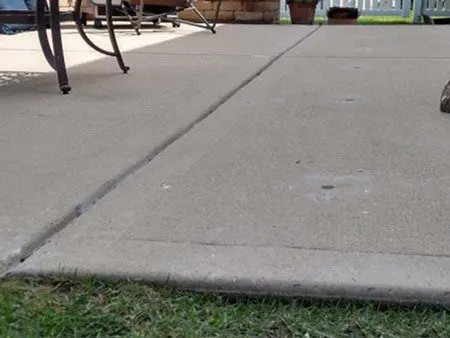
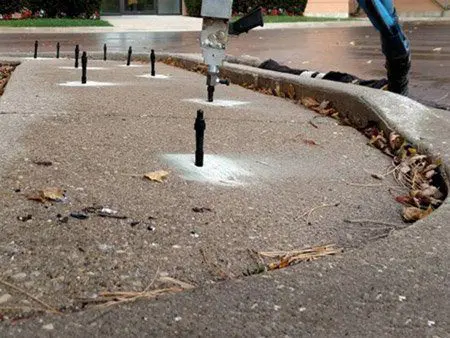
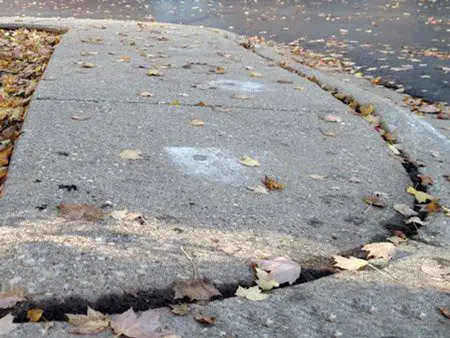
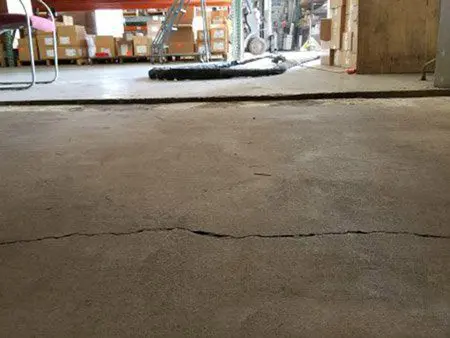
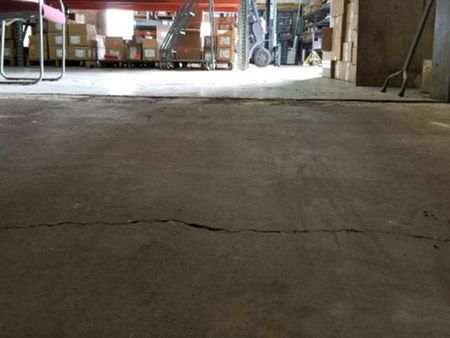
Concrete joints are intended to accommodate movement, but they need a flexible seal to limit water and debris entering the gap. In the Village of Lakewood, paved surfaces may sit beside landscaped slopes, mature trees, lake-influenced drainage, or newer subdivision grading. Failed caulk can allow sediment to collect and moisture to reach the slab base. Acme removes loose material, prepares the joint edges, sets the appropriate seal depth, and applies exterior-grade sealant suited to the joint. Caulking is most effective after any needed slab leveling has been completed.
Tree-lined streets, lake-oriented areas, and newer residential sections create different drainage and joint conditions across the Village of Lakewood. Our concrete caulking service focuses on vulnerable seams while preserving the clean appearance of surrounding pavement.
The Estimate Guard Promise: Best Price. Best Warranty. Guaranteed. With Acme’s Estimate Guard, you never have to worry about overpaying for professional concrete raising. We guarantee a better price and a better warranty than any competitor—so you get the best overall value every time. It’s our commitment to fair pricing, quality workmanship, and long-lasting results.
Frequently Asked Questions
When should concrete joints in the Village of Lakewood be resealed?
Reseal when caulk has split, pulled away, hardened, or disappeared. Weeds, dirt accumulation, and water entering the joint are also warning signs.
Can tree roots cause a caulked joint to reopen?
Roots can move nearby soil or concrete. Caulk accommodates normal joint movement, but it cannot stop significant slab displacement caused by roots or settlement.
Should a sunken driveway be leveled before caulking?
Yes, in most cases. Restoring the slab position first creates a more consistent joint and avoids disturbing a fresh seal during later lifting.
Does caulking waterproof the entire concrete surface?
No. It reduces entry through treated joints. Water can still move across surfaces, along slab edges, and through untreated cracks or drainage routes.
How is old sealant removed?
Loose and failed material is cut or cleaned from the joint, then the gap is prepared to the depth and condition needed for the replacement seal.