SEAWALL REPAIR IN WAYNE

Stabilize soil behind creek, pond, wetland-edge, and drainage walls while respecting Wayne’s open and landscaped properties.
A worker in a yellow vest uses equipment beside a cross-section of a retaining wall by water, illustrating Seawall Repair in Algonquin with rocks and reinforced structure beneath the waterline and soil layers above.

Water-Edge Wall Repair for Wayne Properties

Brewster Creek and Norton Creek flow through Wayne, alongside wetlands, open space, equestrian land, and natural drainage routes. Concrete walls near ponds, channels, or culvert crossings can lose backfill through joints and openings when runoff repeatedly carries fine soil away.

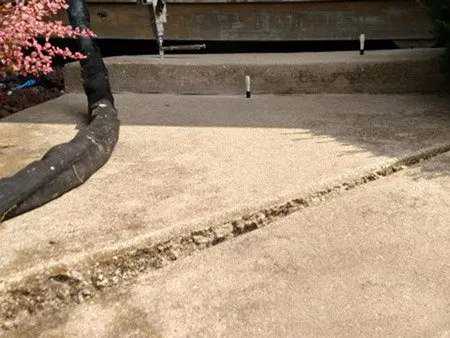
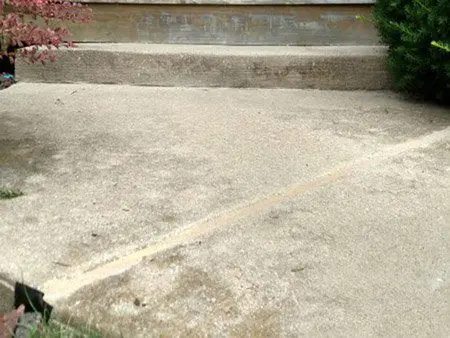
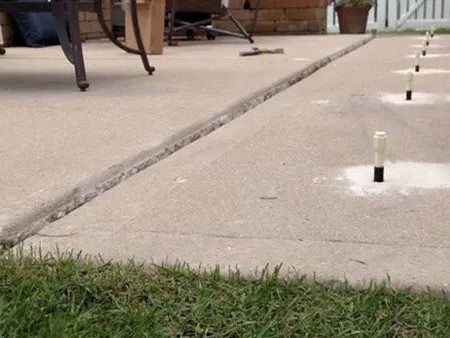
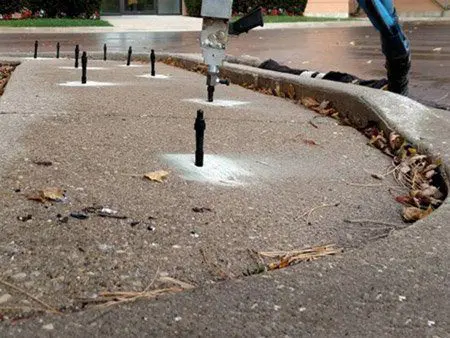
Acme evaluates the wall condition, erosion path, surrounding ground, and accessible voids. When the structure remains suitable, targeted polyurethane injection can improve soil support with less disruption than removing the entire water-edge feature.

Polyurethane Concrete Raising is All We Do!

Why Wayne Property Owners Choose Acme

Shoreline Stability Near Brewster and Norton Creeks

Wayne’s floodplains, wetlands, creeks, and natural drainage patterns are central to the village landscape. A practical seawall repair should stabilize the missing support while recognizing any continuing water route beside the structure.

Call today for a FREE Estimate!

The Estimate Guard Promise: Best Price. Best Warranty. Guaranteed. With Acme’s Estimate Guard, you never have to worry about overpaying for professional concrete raising. We guarantee a better price and a better warranty than any competitor—so you get the best overall value every time. It’s our commitment to fair pricing, quality workmanship, and long-lasting results.

Frequently Asked Questions

What structures can function like seawalls in Wayne?

Creek walls, pond edges, drainage-channel sections, and culvert approaches can all retain soil beside water. Their construction and condition determine whether injection is suitable.
Water carries fine soil through cracks, joints, pipe openings, or gaps beneath the structure. Repeated loss leaves unsupported ground that may sink or soften behind the wall.
Work near wetlands and regulated drainage areas requires careful site review. Access, water conditions, utilities, permitting, and the wall’s location all influence what is appropriate.Yes. Many repairs include soil replacement, void filling, and pressure relief, which significantly reduce erosion.

No. It fills accessible voids and supports suitable backfill. Severe displacement, collapse, or structural deterioration may require engineering or reconstruction.
Injection often limits excavation, but some access and surface preparation are necessary. Vegetation, fencing, utilities, and the extent of the void determine actual disturbance.