A Practical Barrier Against Water and Joint Debris
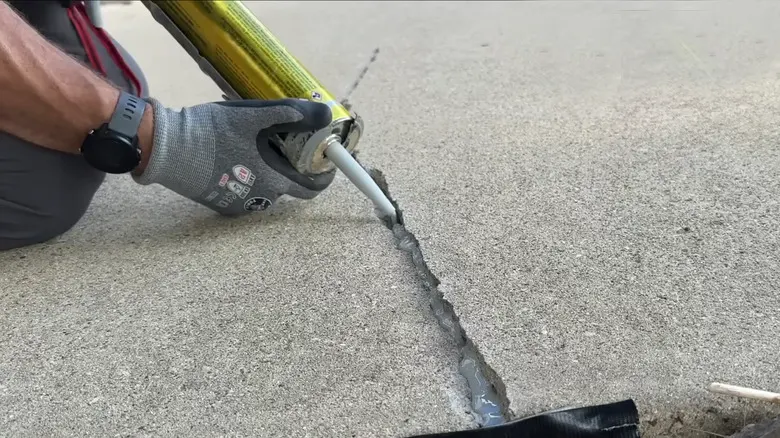
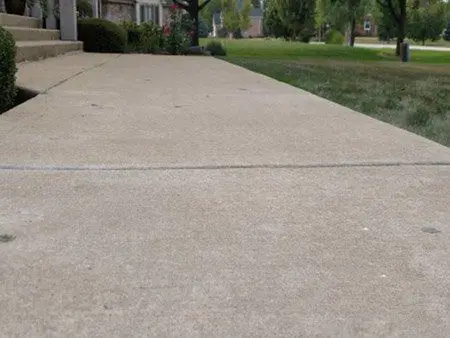
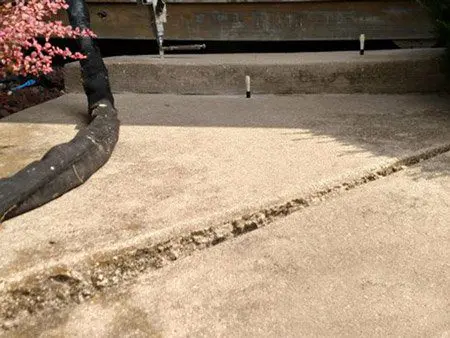
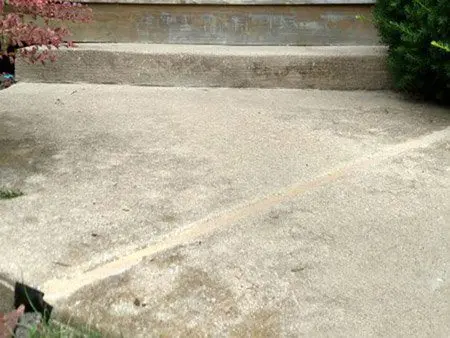
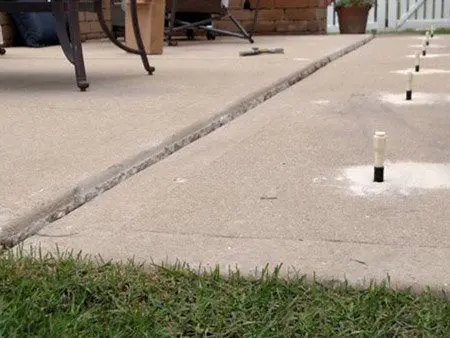
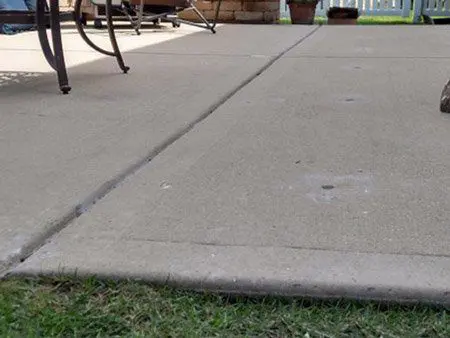
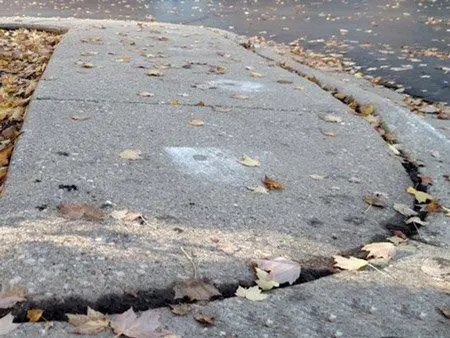
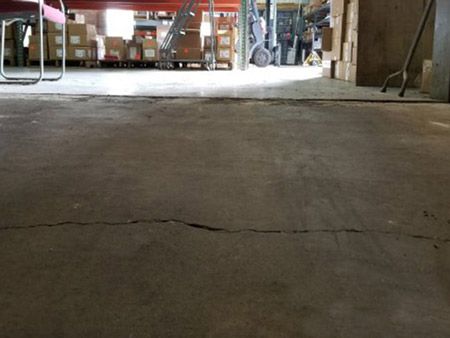
Concrete joints open and close with seasonal temperature changes. When old sealant pulls away, runoff, deicing residue, sand, and organic debris can enter the gap. That exposure can damage joint edges and allow moisture to reach the soil supporting the slab.
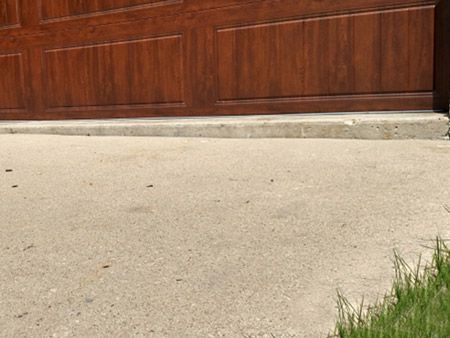
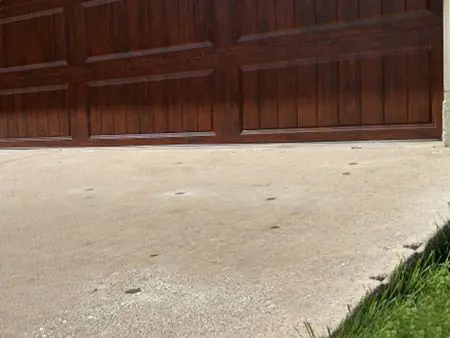
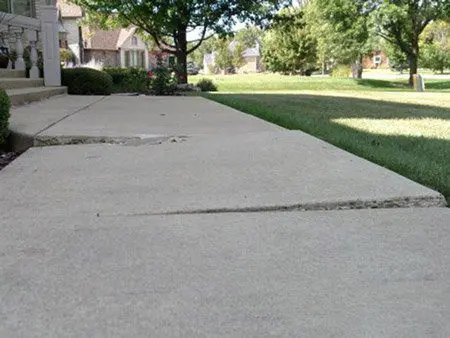
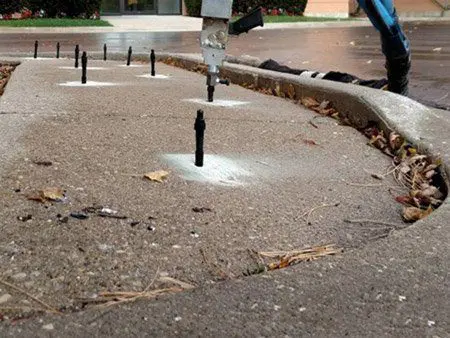
We clean and size the joint before applying a flexible exterior sealant. Where settlement has already changed the slab alignment, our team can evaluate concrete raising as a separate step before sealing.
Joint Sealing for Wheeling Runoff and Property Uses
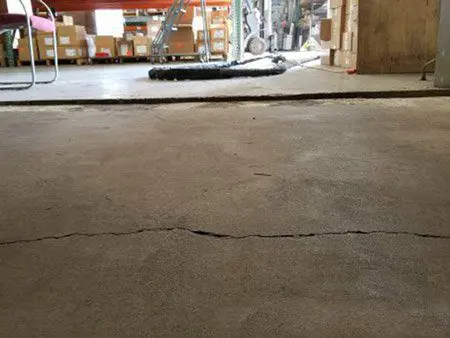
Wheeling combines neighborhoods with busy commercial corridors and industrial pavement. Local runoff moves toward Buffalo Creek, McDonald Creek, and the Des Plaines River, so concrete near downspouts, curbs, loading areas, and low spots may see repeated wetting. Well-maintained joints help limit infiltration at the slab while preserving normal movement.
The Estimate Guard Promise: Best Price. Best Warranty. Guaranteed. With Acme’s Estimate Guard, you never have to worry about overpaying for professional concrete raising. We guarantee a better price and a better warranty than any competitor—so you get the best overall value every time. It’s our commitment to fair pricing, quality workmanship, and long-lasting results.
Frequently Asked Questions
What causes exterior concrete caulk to fail?
Age, UV exposure, traffic, standing water, poor preparation, incorrect joint depth, and excessive movement can all cause sealant to split or lose adhesion.
Can new caulk be installed over old material?
Loose or incompatible material should be removed first. A clean joint gives the new sealant a sound surface for bonding and predictable movement.
Is caulking useful on commercial sidewalks?
Yes, when the joints are suitable and the slabs are stable. We consider pedestrian traffic, maintenance access, drainage, and cure time when planning the work.
Does joint sealing prevent freeze-thaw damage?
It helps limit direct water entry at joints, which is one part of protecting exterior concrete. It cannot eliminate every moisture source or reverse existing deterioration.
What happens during an evaluation?
We review the joint condition, surrounding slab elevations, water exposure, traffic, and access, then explain which areas are appropriate for sealing.