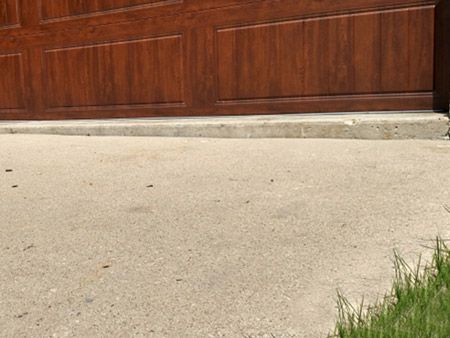
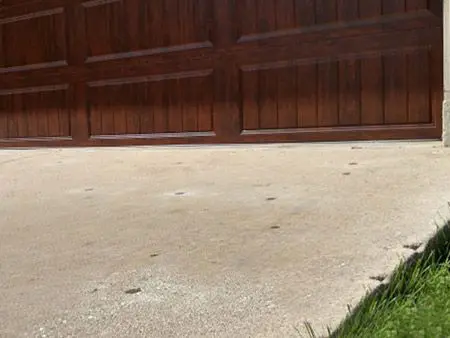
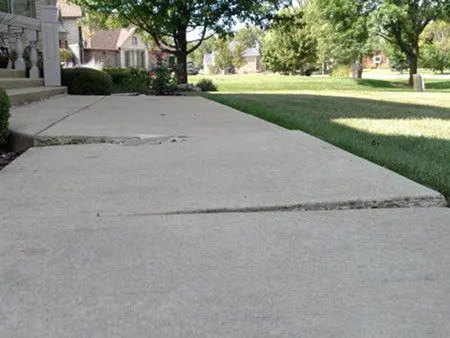
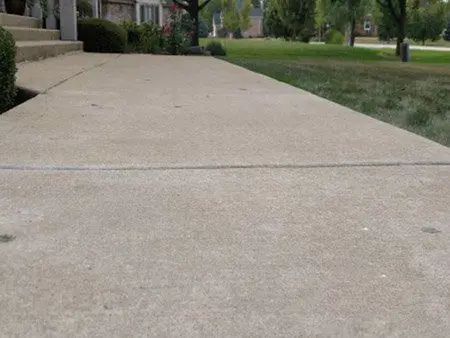
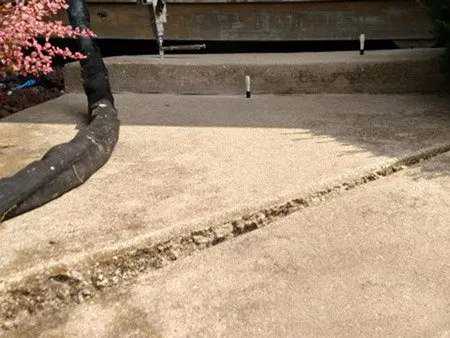
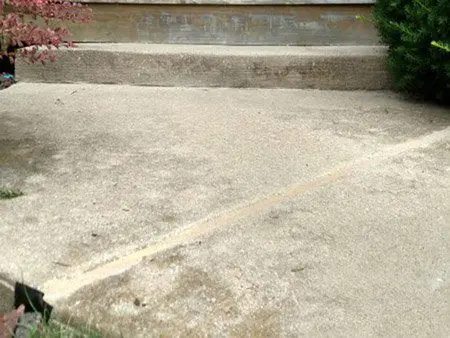
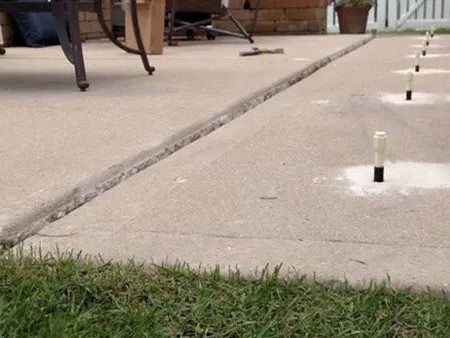
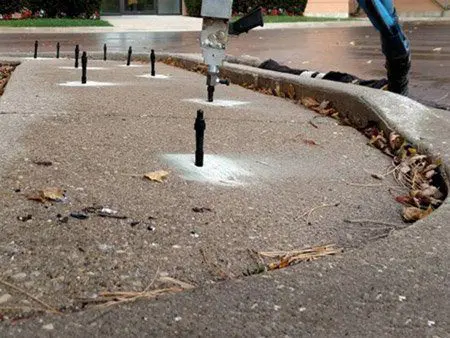
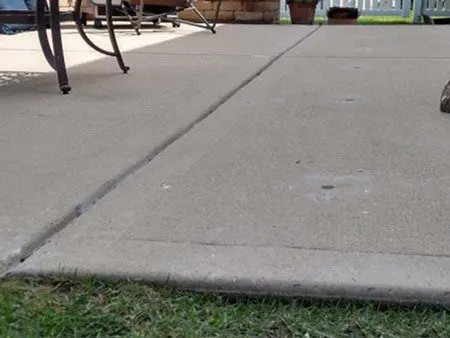
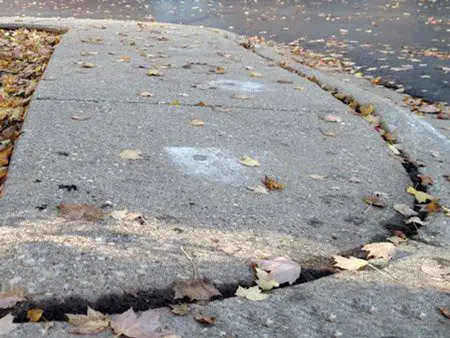
Gaps behind a Wonder Lake seawall can undermine shoreline walks, patios, and the soil supporting the yard. Targeted foam injection helps fill selected voids without opening the entire waterfront.
Wonder Lake is surrounded by lake-oriented neighborhoods, beaches, docks, and residential shoreline access. When water finds a route through a wall joint or drainage outlet, backfill can wash into the opening. A depression behind the wall or a dropped concrete edge may reveal that support has already been lost.
Our evaluation follows the path from the visible settlement to the likely void. We review wall joints, slab edges, drainage, soil loss, and working access before choosing injection locations. Learn how foam injection can support seawall backfill and nearby concrete when the wall remains suitable for this repair method.
Polyurethane repair is most useful when the problem involves voided soil or settled flatwork behind the seawall. Bowed panels, severe displacement, failed anchors, or deteriorated wall materials may call for structural evaluation instead. We identify the conditions our process can address before proposing the scope.
The Estimate Guard Promise: Best Price. Best Warranty. Guaranteed. With Acme’s Estimate Guard, you never have to worry about overpaying for professional concrete raising. We guarantee a better price and a better warranty than any competitor—so you get the best overall value every time. It’s our commitment to fair pricing, quality workmanship, and long-lasting results.
Frequently Asked Questions
What are signs of a void behind a Wonder Lake seawall?
Look for sinking soil, hollow areas, a gap below a slab, widening joints, or a walkway that has dropped near the wall. These signs justify an inspection but do not identify the exact cause by themselves.
Can foam seal every opening in a seawall?
No. Polyurethane can fill selected voids and improve support, but wall joints, drains, penetrations, and structural cracks may need separate detailing. The repair should not block a drainage path that the wall requires.
Will seawall repair disturb my dock or landscaping?
The method uses limited access points, but safe equipment access is still necessary. Docks, plantings, utilities, slopes, and narrow side yards are reviewed when planning the work area.
Is a leaning seawall a foam injection project?
A leaning or displaced wall may have structural, anchoring, or foundation problems beyond void filling. It should be evaluated before polyurethane treatment is considered for any soil loss behind it.
What should happen after the void is filled?
Monitor the shoreline after storms and water-level changes, maintain joints and drainage, and address the route that allowed soil to migrate. Follow-up work depends on the wall material and site conditions.