Stabilize erosion behind pond and water-retaining walls on Coral properties. Targeted polyurethane injection can fill accessible voids without broad shoreline excavation.
Seawall Repair for Coral Ponds and Rural Properties
Coral is a historic rural crossroads surrounded by farms, homes, open land, and drainage features. A wall beside a pond or managed water area may experience runoff from a broad slope, repeated wetting, and soil movement through joints or openings, leaving soft ground behind it.
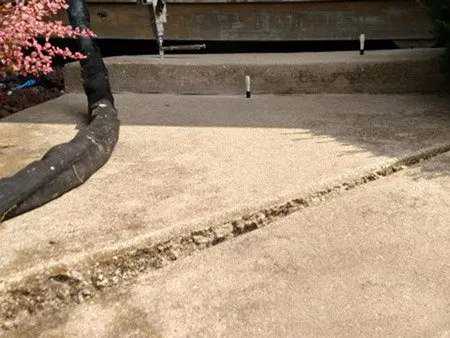
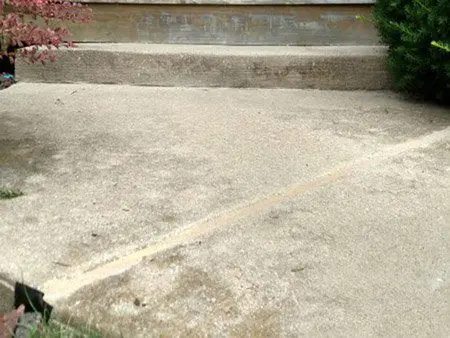
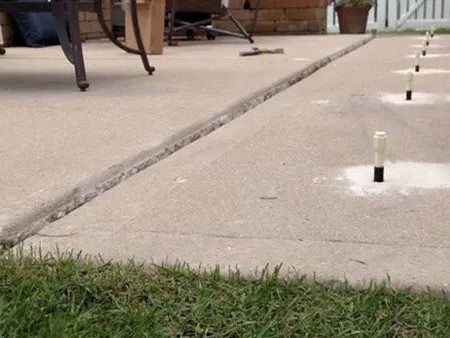
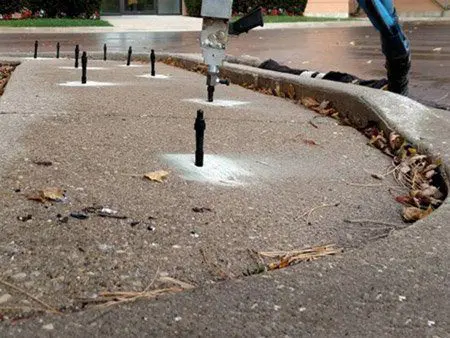
Our seawall stabilization process evaluates the wall, cap, backfill, surrounding grade, and visible erosion paths. Where the structure is suitable, polyurethane can be placed behind it to fill accessible gaps and help reduce further loss of supporting soil.
Coral properties may have longer access routes, vegetation, sloped banks, agricultural drainage, or nearby concrete pads. We account for those conditions before choosing equipment placement and injection points. The repair focuses on the affected wall area while checking whether erosion extends into neighboring sections.
The Estimate Guard Promise: Best Price. Best Warranty. Guaranteed. With Acme’s Estimate Guard, you never have to worry about overpaying for professional concrete raising. We guarantee a better price and a better warranty than any competitor—so you get the best overall value every time. It’s our commitment to fair pricing, quality workmanship, and long-lasting results.
Frequently Asked Questions
How long does a seawall repair last in Coral?
Most seawall repairs last many years when proper stabilization and pressure relief are applied.
Does seawall repair help prevent erosion?
Yes. Key services like soil replacement, void filling, and drainage improvements help stop erosion.
What types of seawalls do you repair?
We repair concrete, steel, wood, vinyl, and hybrid seawall systems.
Can a farm or residential pond wall be repaired with polyurethane?
Possibly. The wall type, structural condition, erosion pattern, water level, and available access must be evaluated. Polyurethane is used for appropriate void-filling and soil-stabilization conditions, not as a substitute for every structural repair.
What signs suggest soil is moving behind a pond wall?
Look for depressions, exposed backfill, widening gaps, settlement in nearby pavement, or openings behind the wall cap. Changes that follow heavy rain may help identify an active runoff or erosion path.