Address erosion behind pond and water-retaining walls on Hartland properties. Targeted polyurethane placement can stabilize accessible voids with limited excavation.
Hartland is a rural McHenry County community with a small town center, farmsteads, open agricultural land, and scattered homes. Water moving across broad grades can reach ponds, drainage basins, or private water-retaining walls and carry backfill through gaps behind the structure.
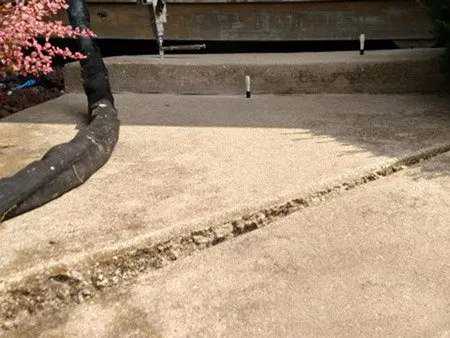
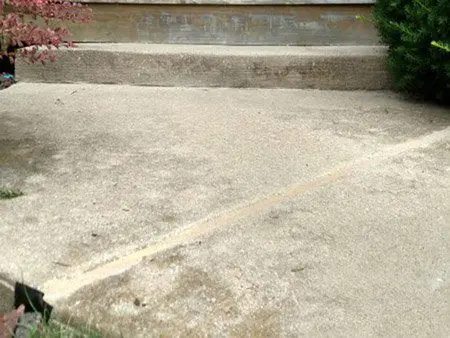
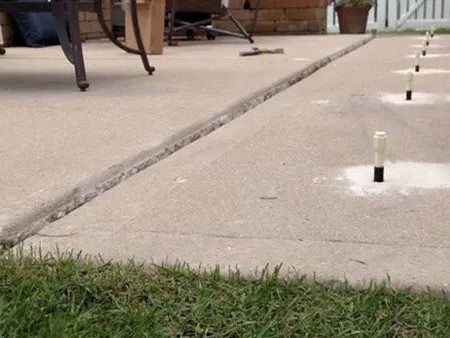
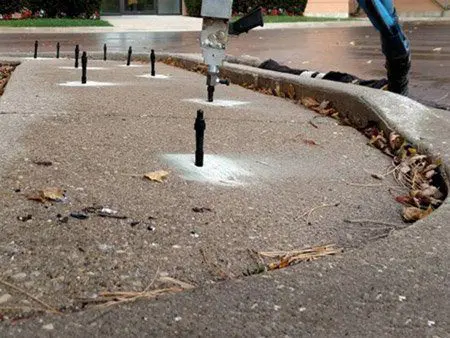
Our seawall repair approach begins with the wall face, cap, surrounding soil, water level, and nearby surface settlement. If the wall remains suitable, polyurethane can be introduced behind it to fill accessible voids and help reduce continued soil migration.
A Hartland repair may involve a sloped bank, longer equipment route, vegetation, drainage ditches, or adjoining concrete. We plan access and injection points around those conditions, focusing on the damaged area while checking adjacent wall sections for related erosion and unsupported soil.
The Estimate Guard Promise: Best Price. Best Warranty. Guaranteed. With Acme’s Estimate Guard, you never have to worry about overpaying for professional concrete raising. We guarantee a better price and a better warranty than any competitor—so you get the best overall value every time. It’s our commitment to fair pricing, quality workmanship, and long-lasting results.
Frequently Asked Questions
How long does a seawall repair last in Hartland?
Most repairs last many years when stabilized properly and maintained over time.
Is seawall repair more affordable than replacement?
Yes. Soil replacement, void filling, and drainage upgrades all help prevent shoreline erosion.
Can a pond wall on a rural property be stabilized without full replacement?
Sometimes. If the wall remains serviceable and the main problem is voiding or soil loss behind it, targeted injection may be appropriate. Structural failure, severe displacement, or inaccessible conditions may require another solution.
How does runoff from open land affect a water-retaining wall?
Runoff can concentrate along slopes or drainage paths and carry fine soil toward openings in the wall. Repeated flow may enlarge those paths and create depressions or settlement behind the structure.