Address erosion and hidden voids behind Silver Lake walls in Oakwood Hills. Targeted stabilization can support affected soil while preserving serviceable wall sections.
Oakwood Hills is a residential community centered on spring-fed Silver Lake, with wooded ravines, beaches, sloped lots, and drainage routes leading toward the water. Runoff, seasonal water changes, and freeze-thaw movement can carry backfill through wall joints and leave depressions behind the shoreline.
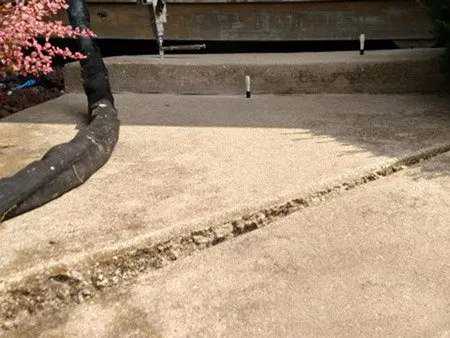
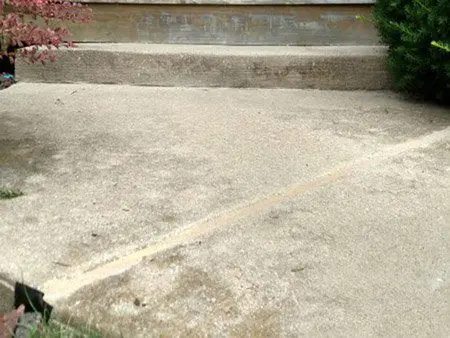
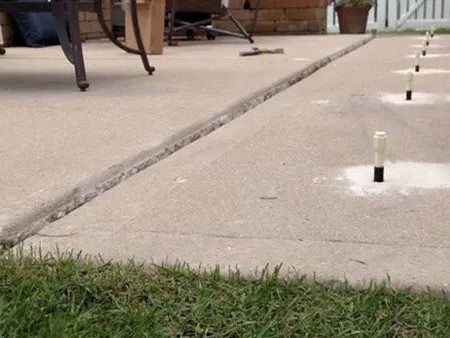
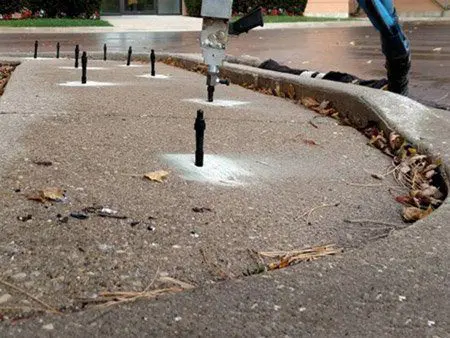
Our seawall repair service begins with the wall face, cap, nearby grade, and visible erosion paths. Where the structure remains suitable, polyurethane can be placed behind it to fill accessible voids and help reduce continued soil migration with limited excavation.
Silver Lake properties may include lawns, steps, patios, docks, mature trees, and narrow access. We review those constraints before choosing injection points and equipment placement. The affected wall section is treated in context, with adjacent areas checked for erosion that may extend beyond the most visible depression.
The Estimate Guard Promise: Best Price. Best Warranty. Guaranteed. With Acme’s Estimate Guard, you never have to worry about overpaying for professional concrete raising. We guarantee a better price and a better warranty than any competitor—so you get the best overall value every time. It’s our commitment to fair pricing, quality workmanship, and long-lasting results.
Frequently Asked Questions
How long does a seawall repair last in Oakwood Hills?
Most repairs last many years when completed with proper stabilization and maintenance.
Is repairing a seawall more affordable than replacing it?
Yes. Repairing a seawall is typically much more cost effective than a full rebuild.
Does seawall repair help reduce erosion?
Yes. Soil replacement, void filling, and drainage improvements all help reduce shoreline erosion.
What should I inspect along a Silver Lake wall after winter?
Look for new depressions, exposed backfill, widened joints, openings behind the cap, leaning sections, or settlement in nearby patios and walks. Freeze-thaw movement and spring runoff can make hidden soil loss more visible.
Can only one damaged section of an Oakwood Hills seawall be repaired?
Possibly. Targeted stabilization may be practical when the wall remains serviceable and the soil loss is localized. Adjacent sections should also be inspected because erosion paths can extend beyond the obvious damage.