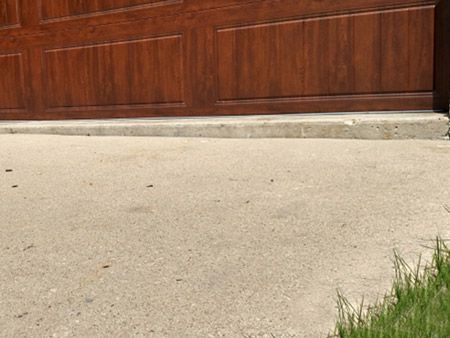
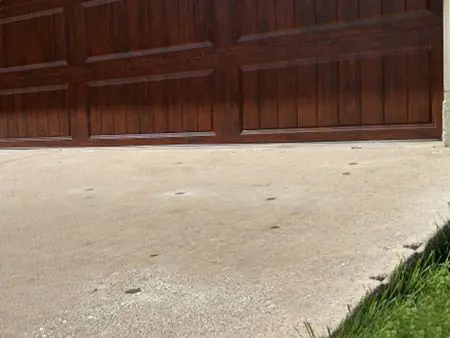
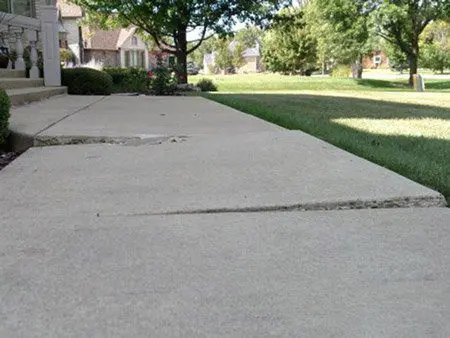
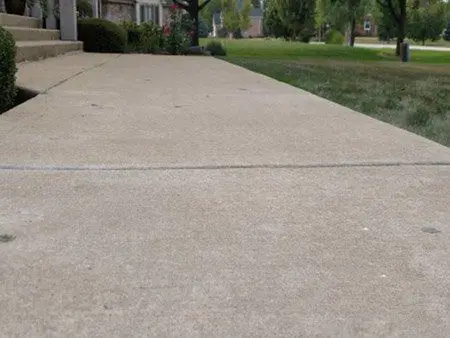
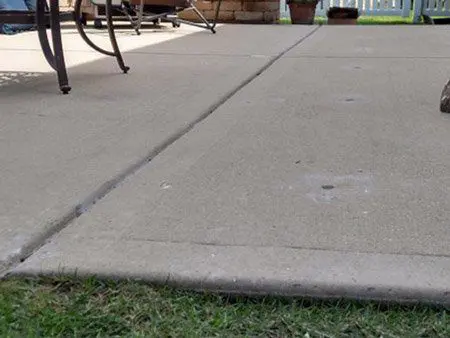
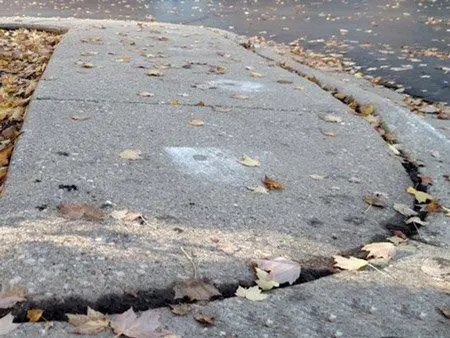
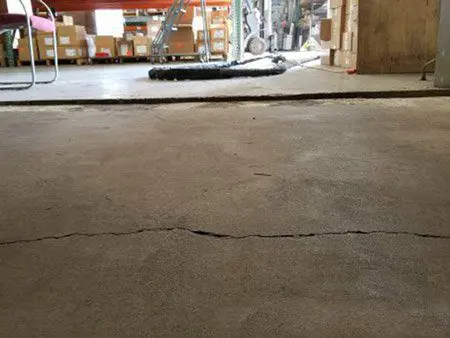
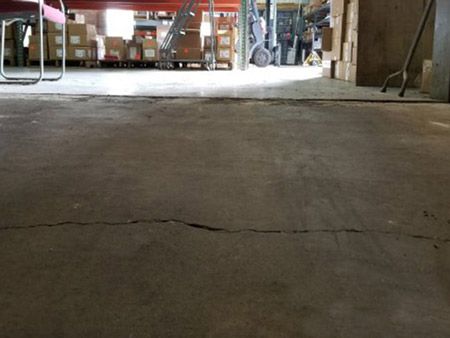
Lift settled concrete across Coral homes, farmsteads, and rural properties with targeted polyurethane injection. Preserve usable slabs while planning around long access routes and open drainage.
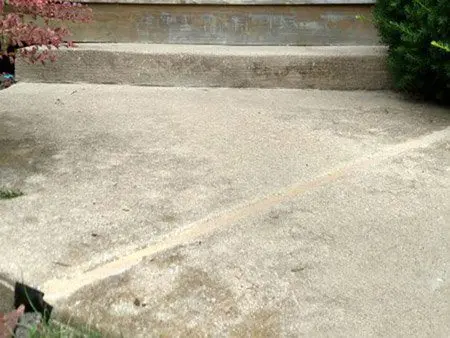
Coral is a rural McHenry County crossroads surrounded by agricultural land, open space, and dispersed properties. Long drives, garage approaches, walkways, patios, and outbuilding slabs may settle where fill compacts, runoff follows a slope, or exposed edges lose soil support.
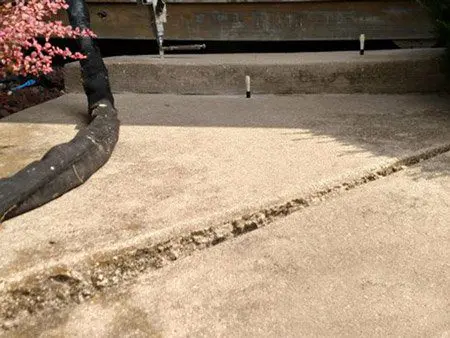
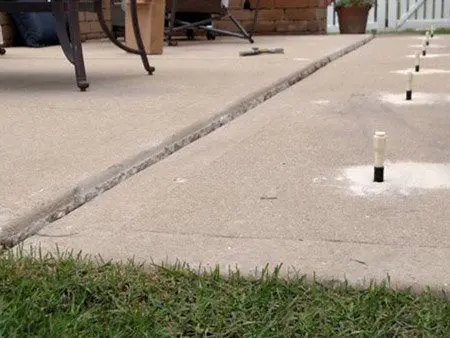
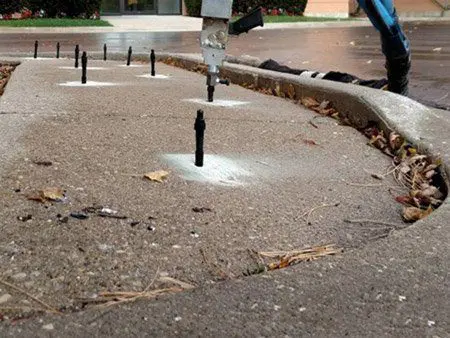
Our polyurethane slab raising service fills accessible voids and creates gradual lift through small drilled ports. The evaluation covers panel condition, elevation differences, joints, drainage, nearby structures, and the amount of movement the concrete can accept.
A Coral project may require equipment planning along a long lane, beside an open ditch, or near a detached garage or farm building. Injection points are placed around those constraints, and the crew monitors complete panels rather than chasing one isolated high or low spot.
The Estimate Guard Promise: Best Price. Best Warranty. Guaranteed. With Acme’s Estimate Guard, you never have to worry about overpaying for professional concrete raising. We guarantee a better price and a better warranty than any competitor—so you get the best overall value every time. It’s our commitment to fair pricing, quality workmanship, and long-lasting results.
Frequently Asked Questions
What makes concrete settle on rural Coral properties?
Variable fill, open runoff paths, heavy edge loading, freeze-thaw cycles, and soil moisture changes can reduce support. Larger properties often have different conditions from one slab area to another.
Can a long driveway be raised in sections?
Yes, serviceable panels can be evaluated individually while transitions across the driveway are considered together. Cracking, access, fixed elevations, and drainage determine the practical sequence.
Can concrete near an outbuilding be lifted?
Many detached-building slabs and approaches can be evaluated. Door clearance, structural connections, slab thickness, utilities, and the condition of the concrete must be reviewed first.
Does slab raising repair existing cracks?
No. Raising improves support and elevation, but cracks normally remain visible. Panels that are extensively broken may not be suitable for lifting.
How soon can raised concrete return to use?
Polyurethane cures quickly, so many surfaces can be used soon after service. The crew provides instructions based on the slab, repair scope, and site conditions.